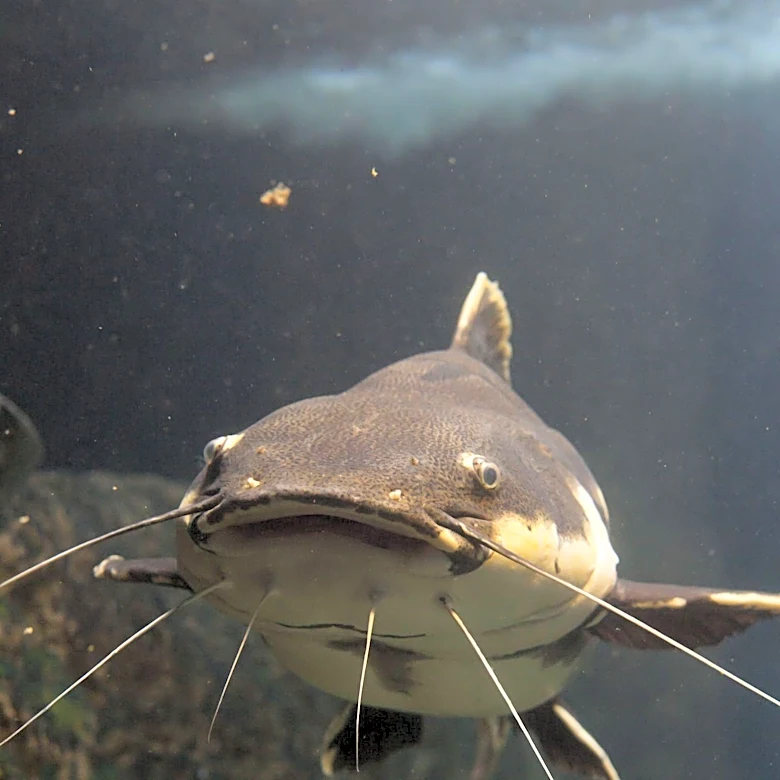
Scientists Discover Transmissible Cancer in Vermont Catfish, Raising Ecological Concerns
Scientists in Vermont have identified a transmissible cancer affecting catfish in Lake Memphremagog, marking it as the fourth known transmissible cancer in nature. This discovery was made after anglers and biologists reported black skin patches on brown bullhead catfish, which were initially suspected to be caused by a virus or environmental contaminant. However, further investigation revealed these lesions to be melanoma, a type of skin cancer. The cancer cells were found to be clonally transmissible, meaning they can spread from one fish to another, similar to how transmissible cancers occur in Tasmanian devils, dogs, and shellfish. The study, published in the journal Nature, suggests that the cancer may spread through physical contact during spawning or through environmental interactions. Despite the alarming nature of the discovery, researchers emphasize that the disease poses no known risk to humans.