UNC Researchers Develop Light-Activated Cancer Treatment to Minimize Side Effects
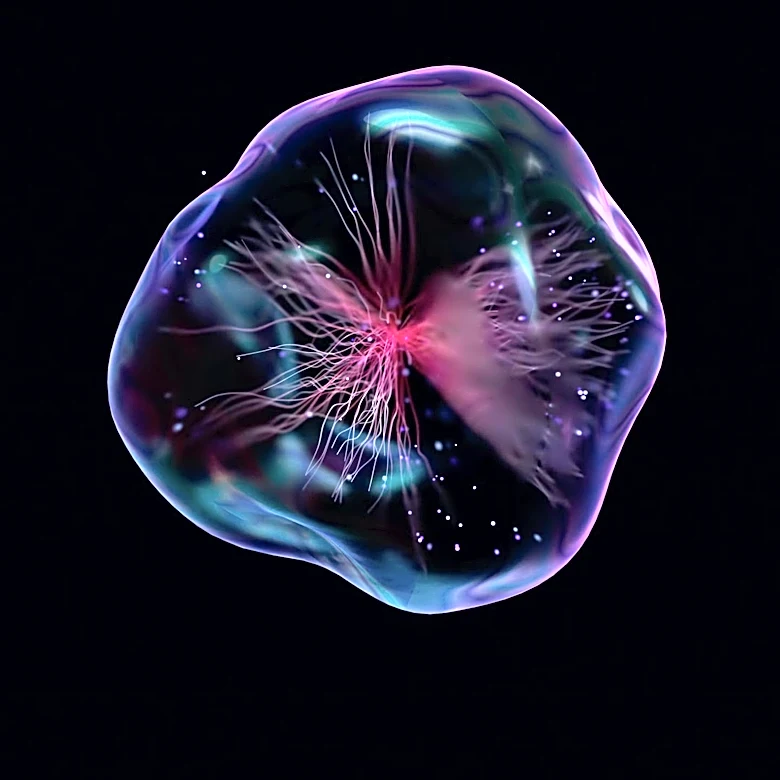
Researchers at the University of North Carolina at Chapel Hill are exploring a novel approach to cancer treatment that aims to reduce the chronic side effects often associated with traditional therapies. Led by Brianna Vickerman, a research assistant professor at the UNC Eshelman School of Pharmacy, the team is developing a method that uses light to activate cancer drugs only at the disease site. This technique involves encapsulating existing medications into carriers that circulate through the body without affecting healthy tissues. When the disease area is illuminated, the carriers release the drug precisely where needed. This approach builds on previous research involving light-controlled drug delivery for cardiovascular diseases. The project recently received a two-year commercialization-focused innovation grant to further test the technology in cancer models, with the ultimate goal of clinical development.