Wildfires in Canada and Minnesota Lead to Hazardous Air Quality in U.S.
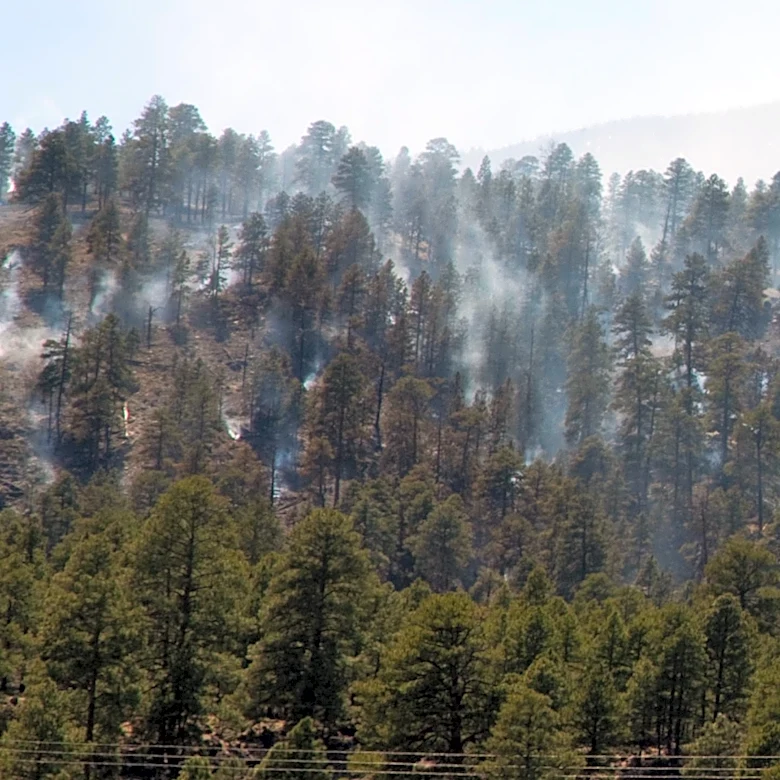
Recent wildfires fueled by extreme heat and dry conditions in Ontario, Canada, and northern Minnesota have resulted in significant smoke spreading across parts of the United States. This smoke contains fine particulates known as PM2.5, which are hazardous to human health. These particles can penetrate deep into the lungs and bloodstream, causing inflammation and increasing the risk of heart attacks, strokes, and respiratory issues such as asthma. The Scripps Institution of Oceanography has found that wildfire smoke is up to ten times more harmful than other types of pollution, such as car exhaust. As a result, residents in affected areas are advised to stay indoors and take precautions to minimize exposure to the smoke.