Scientists 3D-Print Miniature Blood Vessels from Patient Scans to Study Stroke-Causing Clots
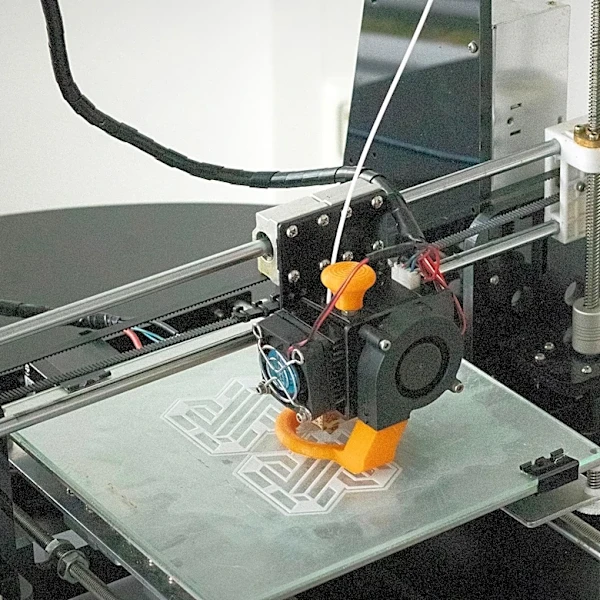
Researchers have developed a 3D-printing method to create miniature models of human blood vessels using CT scans from stroke patients. These models, significantly smaller than actual carotid arteries (reduced to 200-300 micrometers), allow scientists to observe blood flow and platelet behavior under a microscope in real-time. The technology enables the study of how physical forces within irregularly shaped vessels affect platelet movement and clot formation. This research focuses on understanding the processes that contribute to dangerous blood clots, particularly those leading to ischemic strokes. The team found that areas of higher stress within the vessel models led to a 7 to 10 times increase in platelet movement, providing insights into how vessel anatomy and mechanical environment influence clot development. The rapid production time for these models, approximately two hours, facilitates extensive laboratory experimentation.