Tick Bites Surge Across Northeast and Midwest Amid Warmer Weather
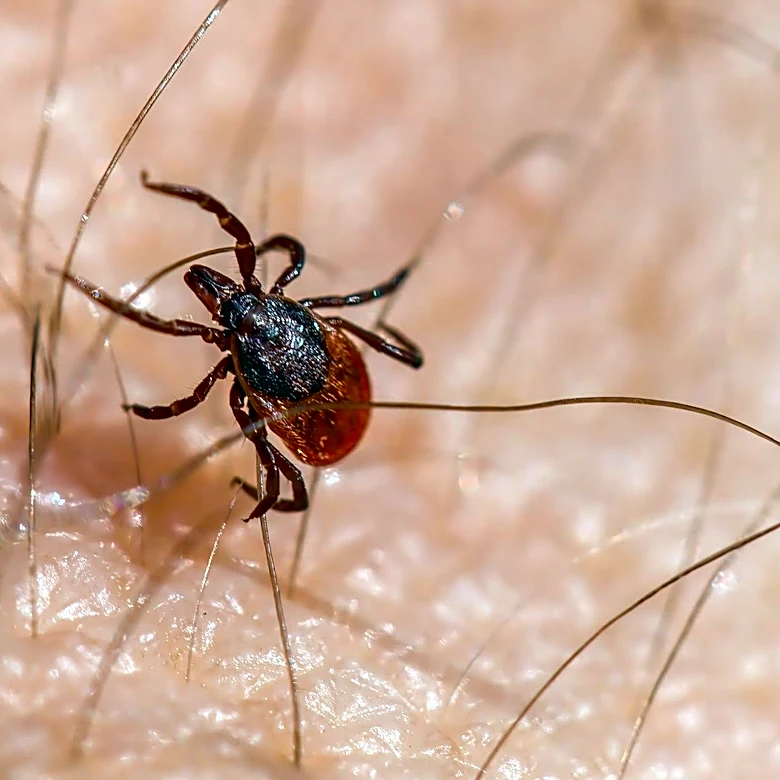
Emergency room visits for tick bites have reached their highest levels for this time of year since 2017, according to the Centers for Disease Control and Prevention (CDC). Warmer temperatures, driven by climate change, are contributing to increased tick activity, particularly in the Northeast and Midwest regions of the United States. Ticks, especially blacklegged and Western blacklegged ticks, are responsible for spreading Lyme disease, the most common tick-borne illness in the U.S., which affects an estimated 476,000 people annually. The CDC highlights that 90% of Lyme disease cases are reported in 14 states, including Connecticut, Maine, Maryland, Massachusetts, Minnesota, New Hampshire, New Jersey, New York, Pennsylvania, Rhode Island, Vermont, Virginia, West Virginia, and Wisconsin. The rise in tick populations is attributed to factors such as warmer winters and expanding tick habitats.