Super El Niño Expected to Reshape Global Weather Patterns in 2026
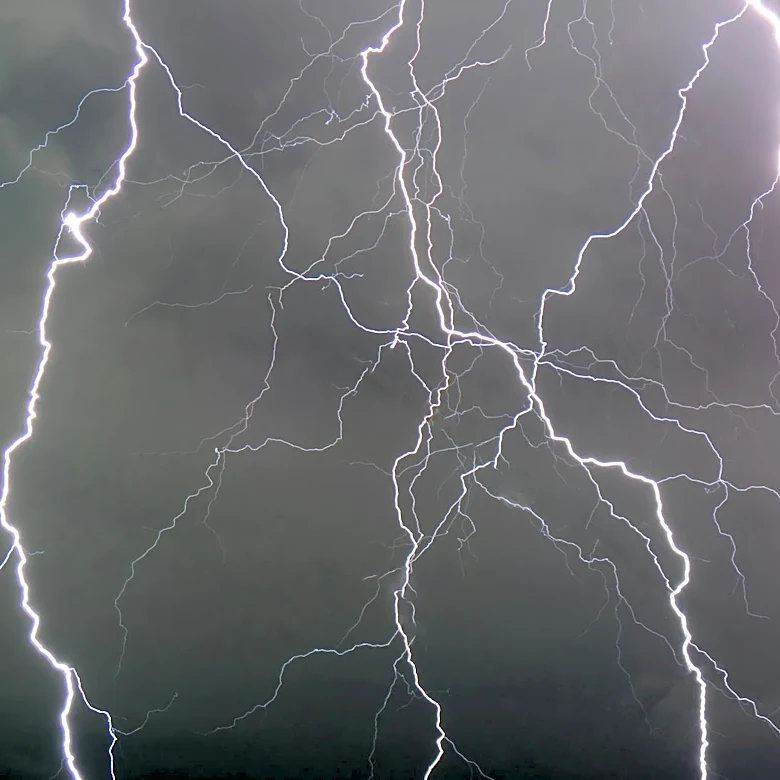
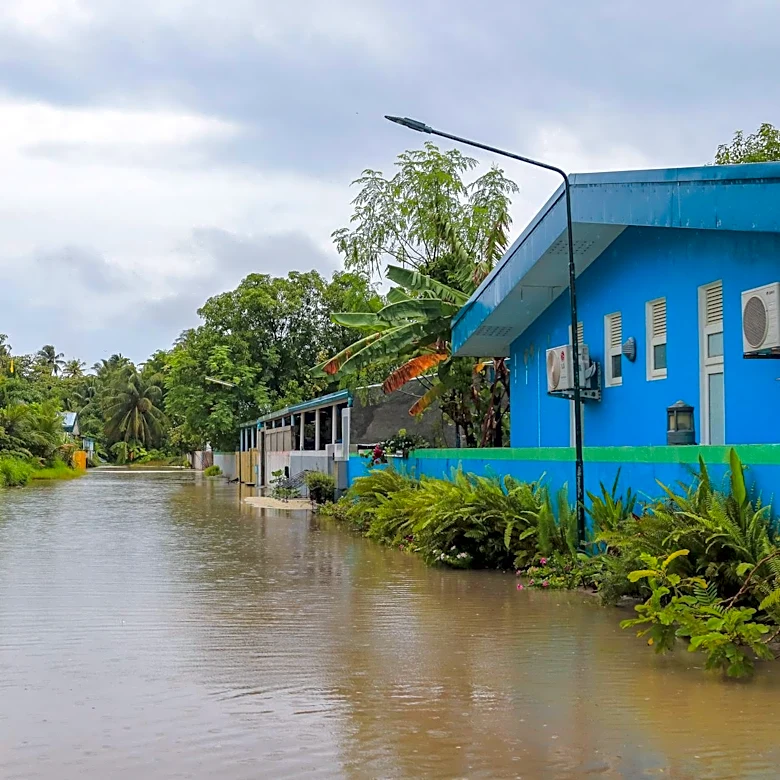
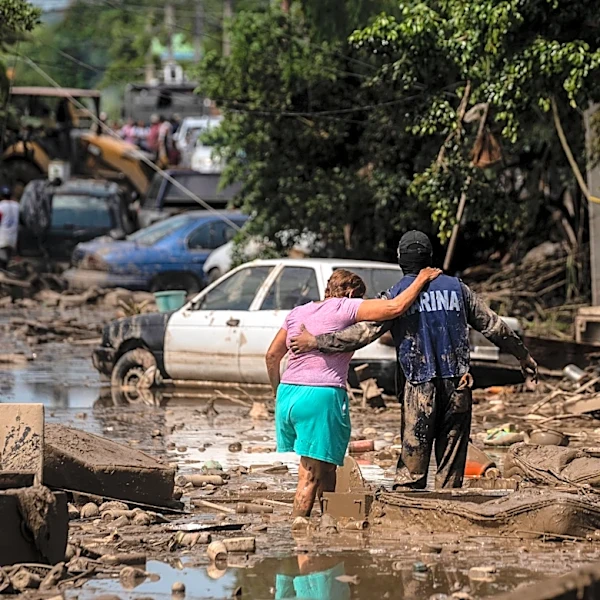
A powerful Super El Niño is developing in the Pacific Ocean, with potential to become the most intense event since at least 1950, according to climate scientists. El Niño is characterized by unusually warm waters near the equator, which disrupt atmospheric circulation and influence global weather patterns. Past Super El Niños, such as those in 1982-83, 1997-98, and 2015-16, caused significant economic and environmental impacts, including flooding, droughts, heatwaves, and coral bleaching. This year's event is occurring in a warmer global climate, which could amplify its effects. Researchers warn that while modern forecasting tools provide better preparation opportunities, vulnerable regions may still face challenges due to reduced aid budgets and political constraints. The event is expected to peak during the winter months, with impacts such as wetter conditions in the southern U.S. and milder winters in the north.