U.S. Power Grid Adapts to Extreme Heat Amid Rising Demand and Drought Conditions
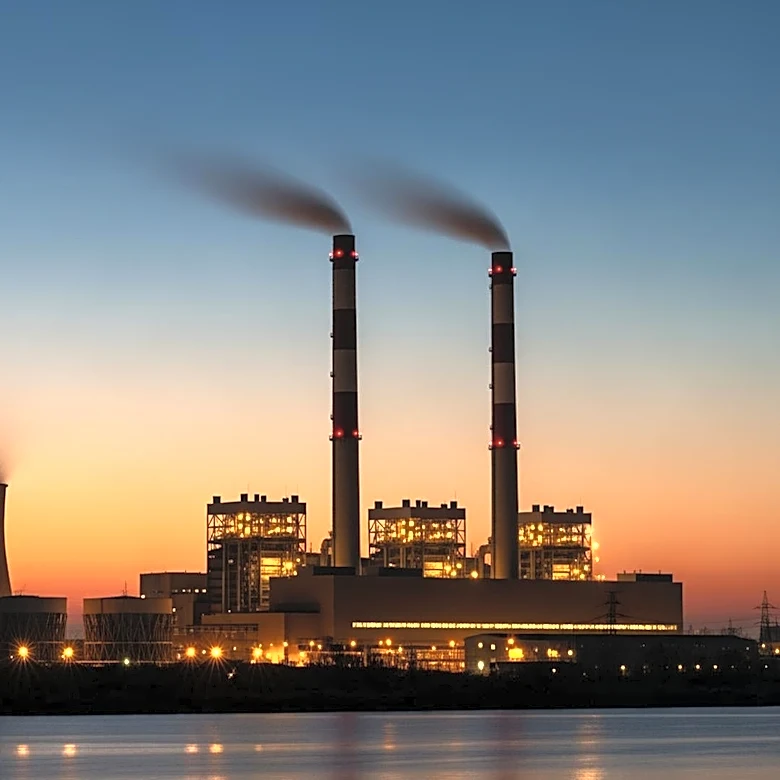
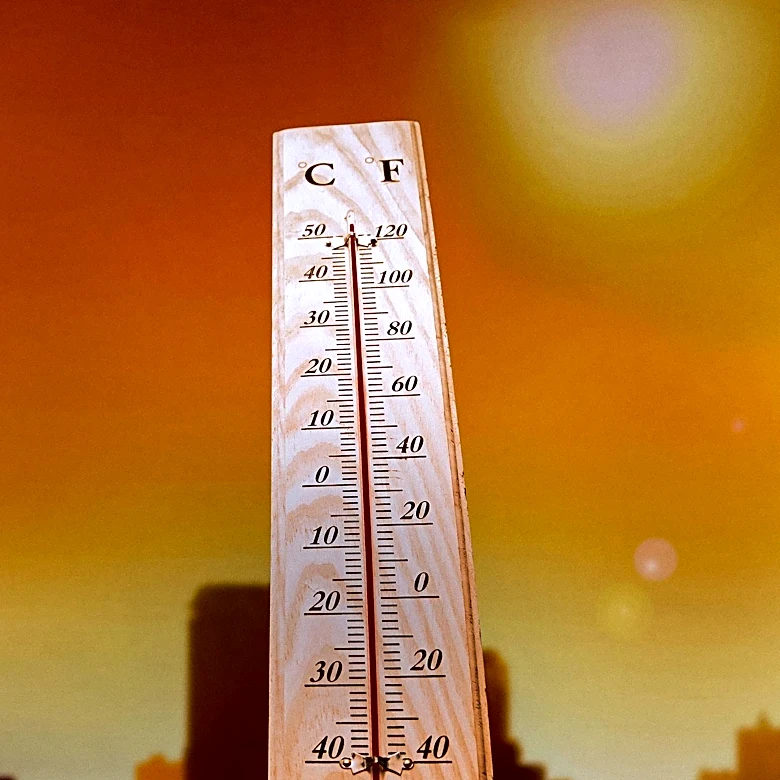
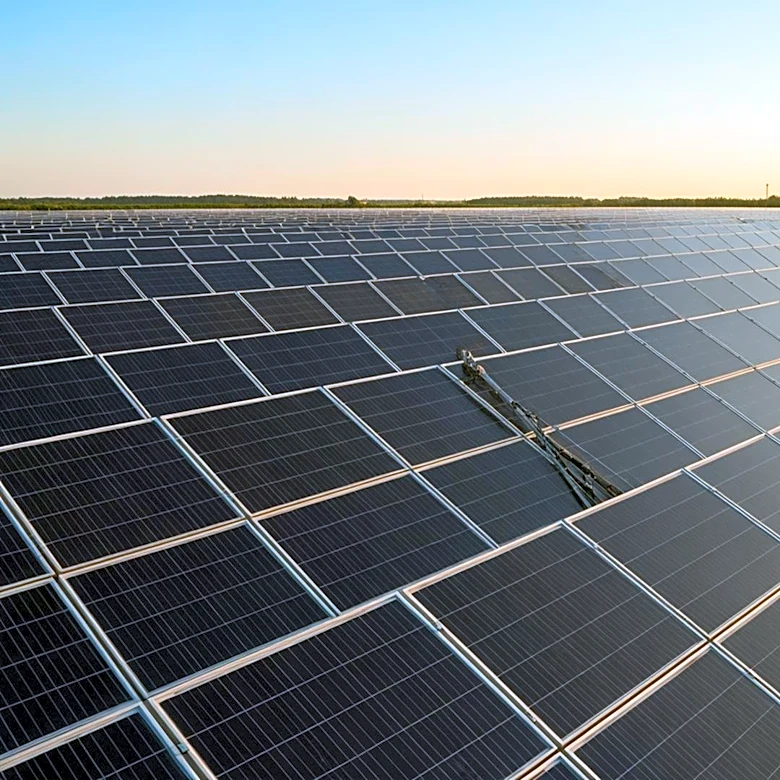
The U.S. power grid is increasingly treating extreme heat as a standard operating condition rather than a rare event. This shift is driven by rising temperatures, drought, and growing electricity demand. The U.S. Energy Information Administration projects a 4% increase in cooling degree days in 2026 compared to 2025, indicating higher air-conditioning demand. The North American Electric Reliability Corporation (NERC) has identified early-summer heat overlapping with spring maintenance outages as a significant reliability risk. Utilities are adapting by rating transmission lines based on ambient temperature and preparing for later evening peaks when solar output diminishes. Drought conditions, affecting 62% of the continental U.S., threaten hydropower generation, particularly in the Colorado River basin, potentially impacting up to 4,500 MW of power by August 2026.