Neanderthal Dental Work Discovery Suggests Advanced Skills in Ancient Humans
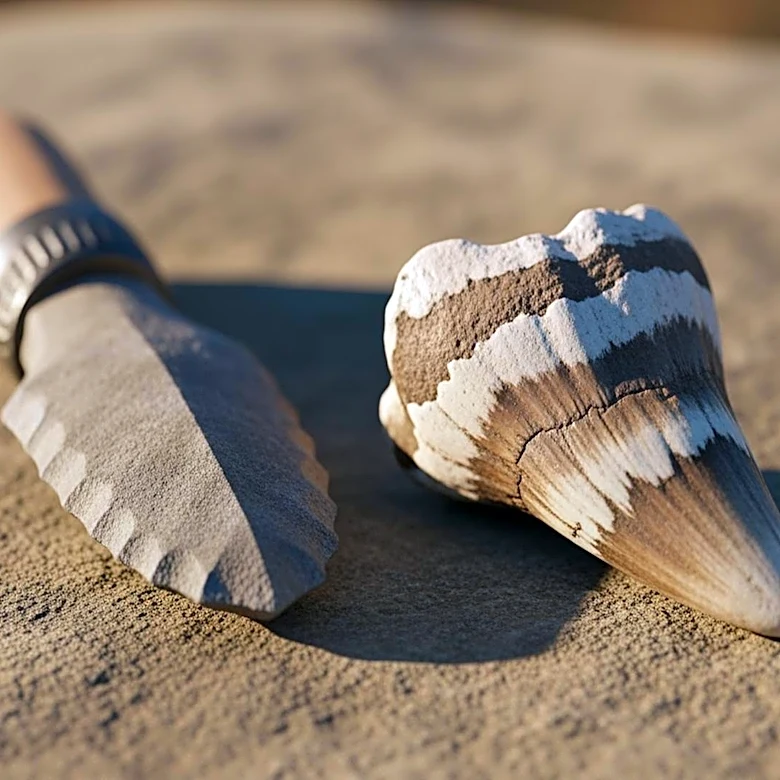
Scientists have discovered what may be the world's oldest example of dental work in a Neanderthal tooth found in a Siberian cave. The tooth, approximately 59,000 years old, shows evidence of having been drilled to address a cavity. This finding suggests that Neanderthals possessed more advanced skills than previously believed. The tooth, a lower molar, was initially thought to be damaged post-mortem, but further examination revealed intentional drilling marks. Dr. Lydia Zotkina from the Russian Academy of Sciences identified scrape marks indicating the use of a toothpick and signs of tool use. The drilling was likely performed with a sharp stone tool, possibly made from jasper, found in the same cave. The procedure, which would have been painful, likely relieved the Neanderthal's toothache by killing the nerves. The polished edges around the hole suggest the tooth continued to be used after the procedure.