Early Spring Arrival in Central U.S. Raises Concerns for Agriculture
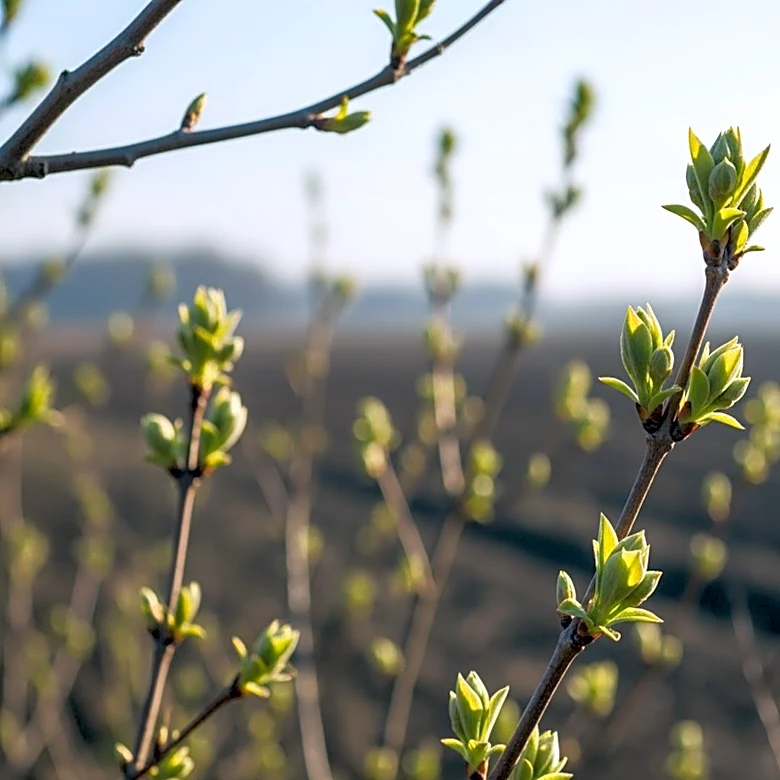
According to the USA National Phenology Network, spring has arrived three to five weeks earlier than average in much of the central United States, and two to three weeks earlier in southern Midwest states. This trend, observed from 1981 to 2025, is attributed to various climate controls such as latitude, elevation, and proximity to bodies of water. Joe Lau, a farmer from St. Joseph, Missouri, reports increased allergy symptoms and more extreme weather patterns, including heavier rainfall and pest pressures on crops. Climate Central's analysis indicates that earlier springs could impact agriculture, ecosystems, and human health, with potential mismatches in migratory bird patterns and increased pollen exposure.