U.S. Wage Growth Trails Inflation, Eroding Worker Purchasing Power
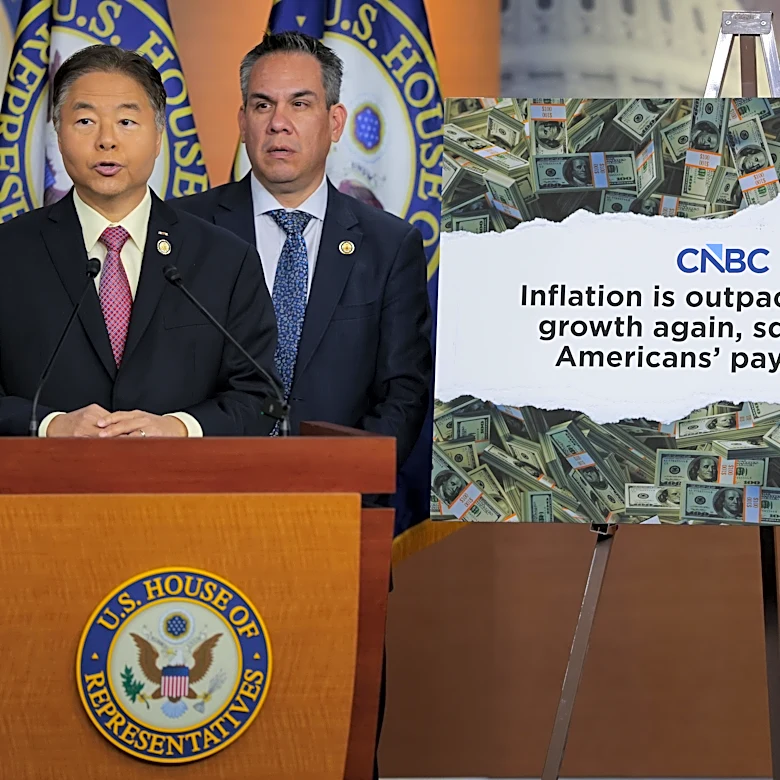
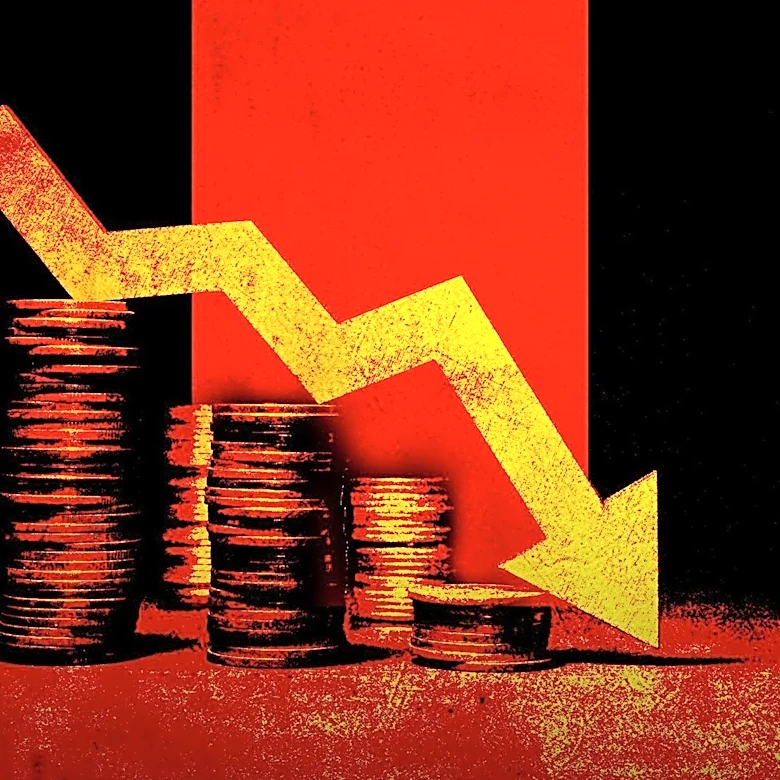
In the U.S., wage growth has decelerated and fallen below the rate of inflation, leading to a reduction in workers' purchasing power. According to the Indeed Wage Tracker, advertised pay increased by 2.5% year-over-year as of September 1, 2026, a significant drop from its 2022 peak of 9.5%. Concurrently, the Bureau of Labor Statistics’ Employment Cost Index (ECI) for private-sector wages and salaries rose by 3.1% year-over-year in the third quarter of 2026. However, the Consumer Price Index (CPI), the primary measure of inflation, exceeded both these figures, reaching 3.7% in September. This disparity means that typical wage increases are not keeping pace with the rising cost of everyday goods, causing workers to feel the financial strain. Prices have climbed approximately 33% since 2019, effectively reducing the purchasing power of a dollar to 75 cents compared to 2019 levels. This trend is particularly evident for entry- and mid-level roles, where real wages have barely increased, while senior-level empl...