Pennsylvania Faces Increased Tick Activity and Co-Infections as Fall Approaches
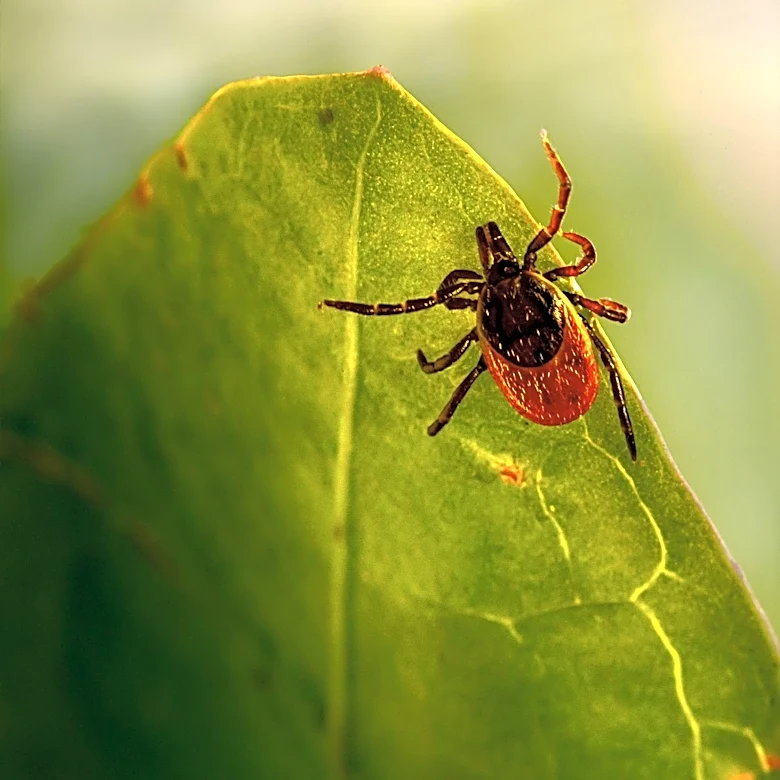
As autumn nears, Pennsylvania is experiencing a rise in tick activity, leading to heightened concerns about tick-borne illnesses such as Lyme disease and anaplasmosis. Adult ticks become more active in the fall, and there's a risk of co-infection, where individuals contract both Lyme disease and anaplasmosis from a single tick bite. While both infections respond to the same antibiotic, doxycycline, co-infections can lead to more intense symptoms. The Centers for Disease Control and Prevention (CDC) reports an increase in black-legged deer tick migration across the country. Early symptoms of anaplasmosis include fever, chills, severe headache, muscle aches, nausea, vomiting, diarrhea, and loss of appetite, potentially progressing to respiratory failure, bleeding problems, organ failure, or death if untreated. Lyme disease typically presents with fever, chills, headaches, muscle and joint pain, swollen lymph nodes, and a characteristic bull's-eye rash. Although reported Lyme disease cases in Pennsylvania are...