NASA's Voyager 1 Achieves One Light-Day Distance from Earth, Marking 50 Years of Exploration
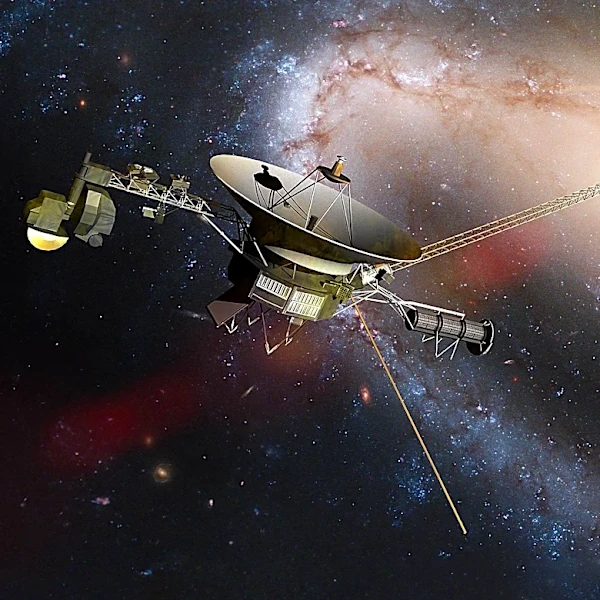
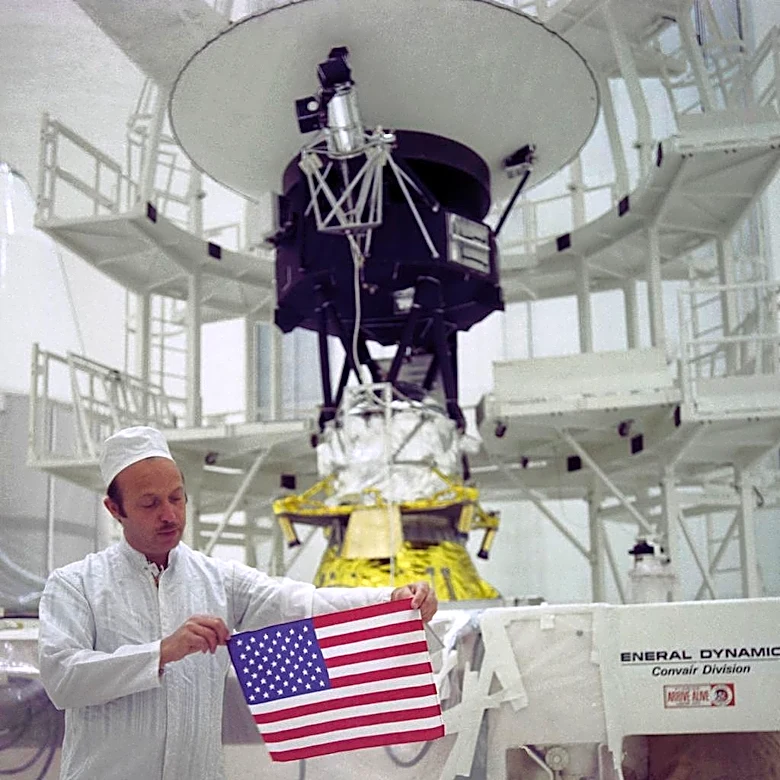
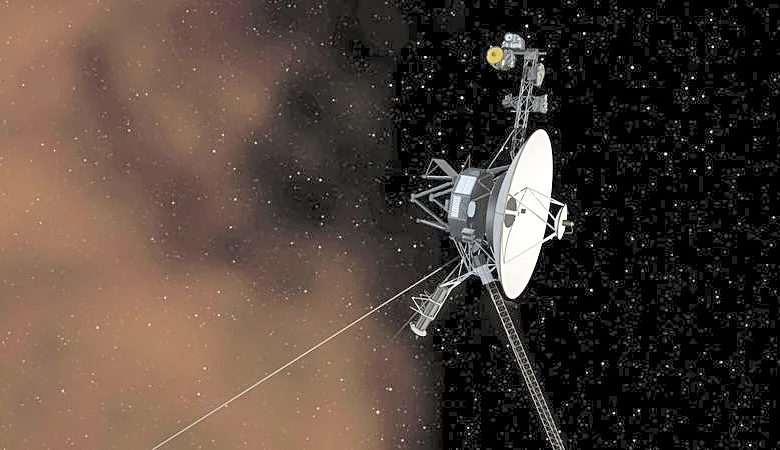
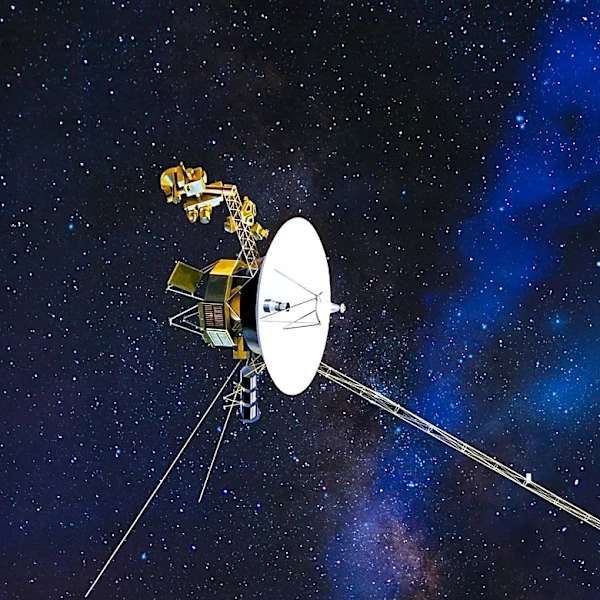
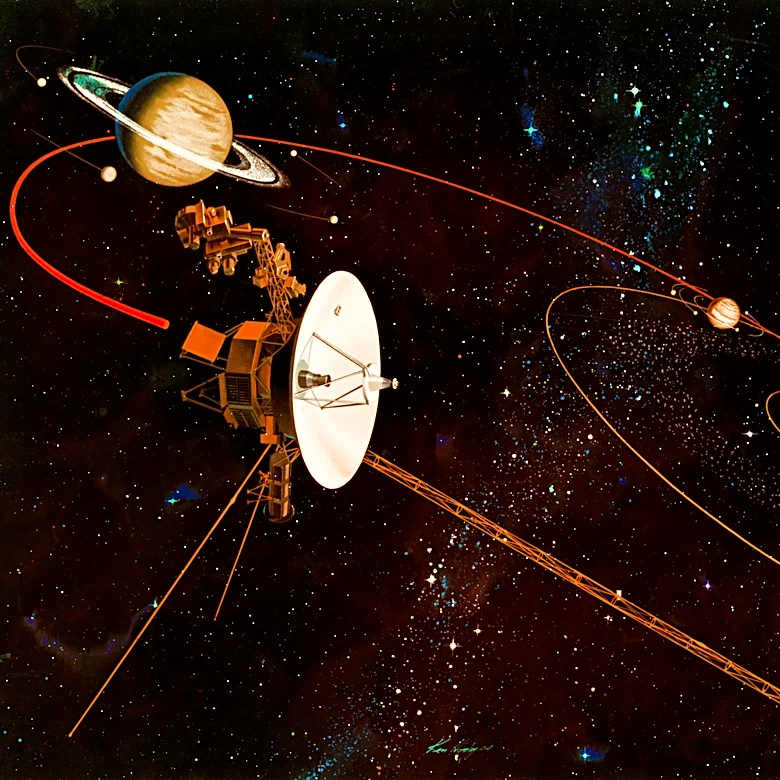
NASA's Voyager 1 spacecraft has reached a significant milestone, becoming the first human-made object to travel one light-day away from Earth. This means it now takes a full day for radio signals to travel from Earth to the spacecraft and another full day for signals to return, as it is approximately 16.1 billion miles (25.9 billion kilometers) from our planet. Launched in 1977, Voyager 1, along with its twin Voyager 2, was initially designed to explore the outer planets of our solar system, including Jupiter, Saturn, Uranus, and Neptune. The mission utilized a rare planetary alignment to conserve fuel, using gravitational slingshots to propel the probes. Voyager 1 crossed the heliopause, the boundary where the Sun's magnetic field gives way to interstellar space, in 2012. Its ongoing journey continues to provide breakthrough scientific discoveries about interstellar space, demonstrating remarkable engineering longevity for a spacecraft launched nearly 50 years ago.