NASA's SunRISE Mission Targets Mid-2027 Launch to Study Solar Radio Bursts
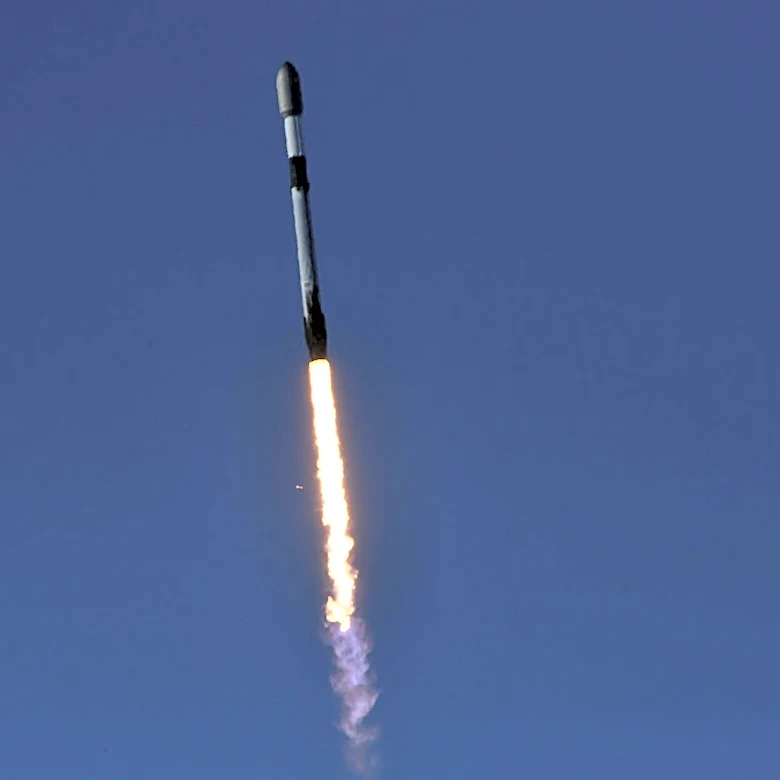
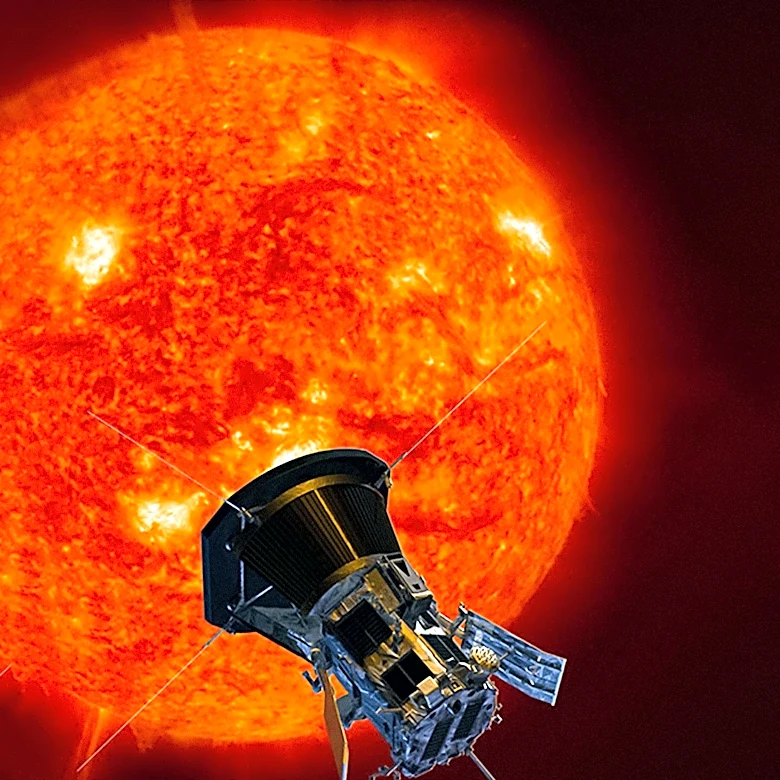
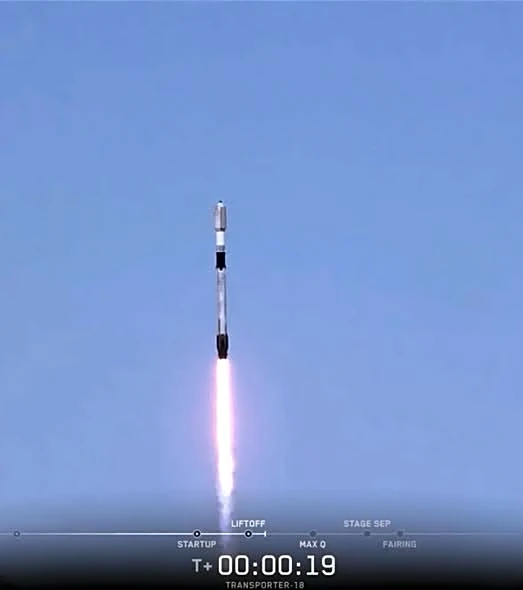
NASA's Sun Radio Interferometer Space Experiment (SunRISE) mission is now targeting a launch no earlier than mid-2027. This heliophysics mission will be launched aboard a SpaceX Falcon Heavy rocket from NASA's Kennedy Space Center in Florida, serving as a rideshare payload sponsored by the United States Space Force’s Space Systems Command. The SunRISE mission consists of six small satellites, each about the size of a toaster oven, designed to operate in formation as a single, large radio telescope. These SmallSats will be positioned slightly above geosynchronous orbit, approximately 22,000 miles (35,000 kilometers) in altitude. Their primary objective is to track radio bursts originating from the Sun's atmosphere, or corona, which are generated by accelerated particles leaving the Sun. The assembly and testing of these SmallSats have been completed at Utah State University’s Space Dynamics Laboratory in Logan, where they will be stored until their shipment to Florida prior to launch.