Astronomers Identify Candidate for 'Second-Generation' Planet Formed from Dead Star's Material
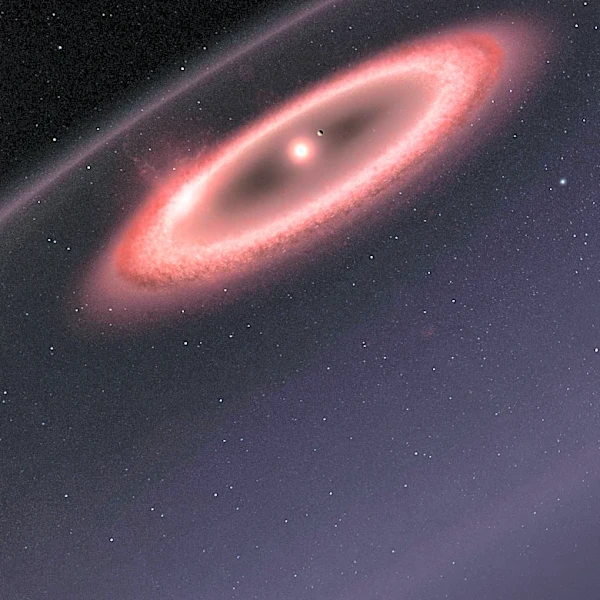
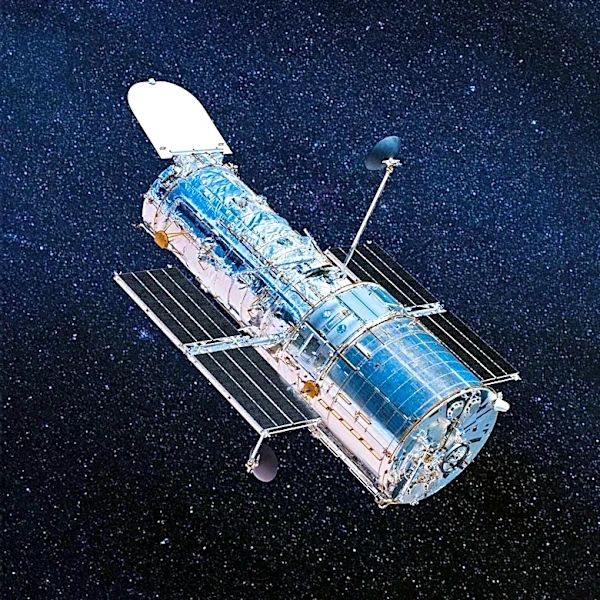
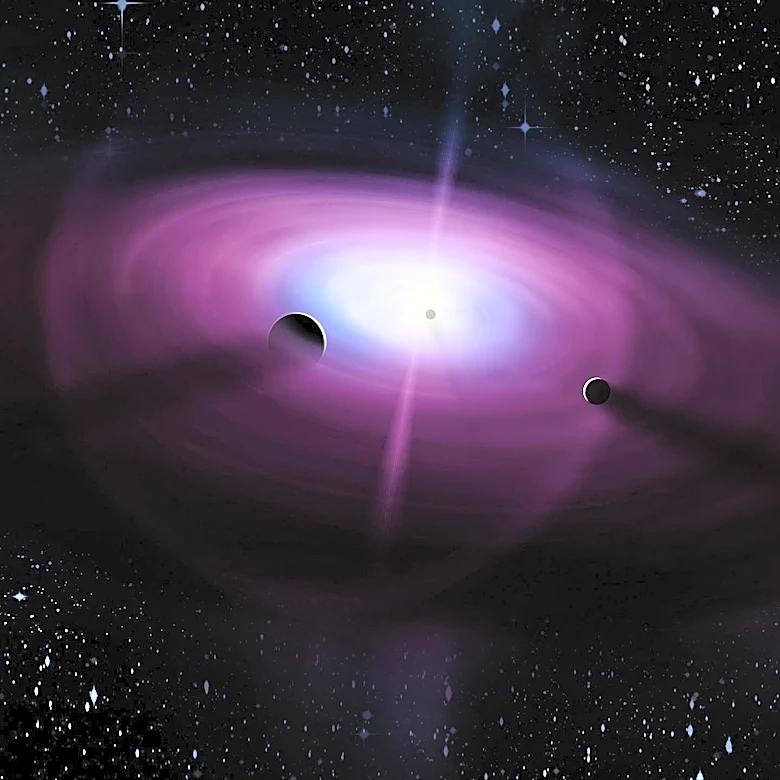
Astronomers have identified a candidate for a 'second-generation' planet orbiting the white dwarf star HS 0209+0832, located approximately 270 light-years from Earth. This potential planet is believed to have formed from material ejected by the star as it died, a process that would represent a cosmic rebirth. Observations from NASA’s Hubble Space Telescope revealed unusually high amounts of heavy elements in the white dwarf’s atmosphere, including zinc, copper, and notably, niobium, which was found at levels over 1,000 times greater than in the Sun. These elements are typically produced during the later stages of a star's life. Further data from NASA’s Transiting Exoplanet Survey Satellite (TESS) detected a regular brightness signal repeating every 4.4 days, consistent with a gas giant, roughly the size of Jupiter, orbiting very close to the white dwarf. This close proximity suggests the planet is losing its atmosphere due to the white dwarf’s intense radiation, with some of this escaping material potentia...