U.S. and Israel's Six-Month War Against Iran Fails to Achieve Regime Change, Leads to Stalemate
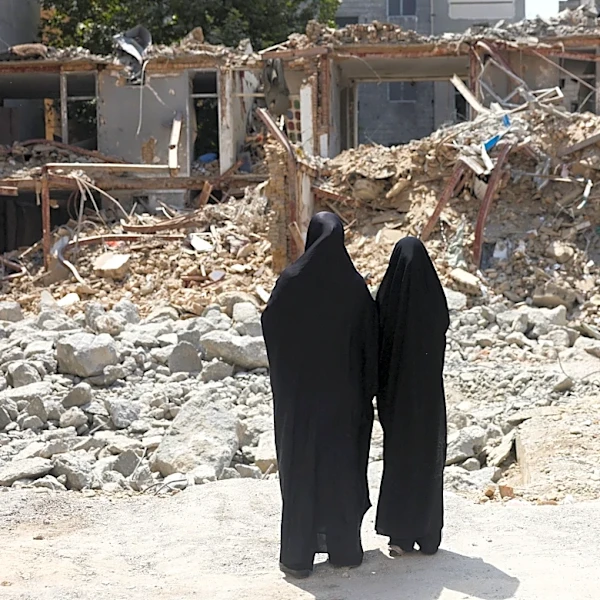
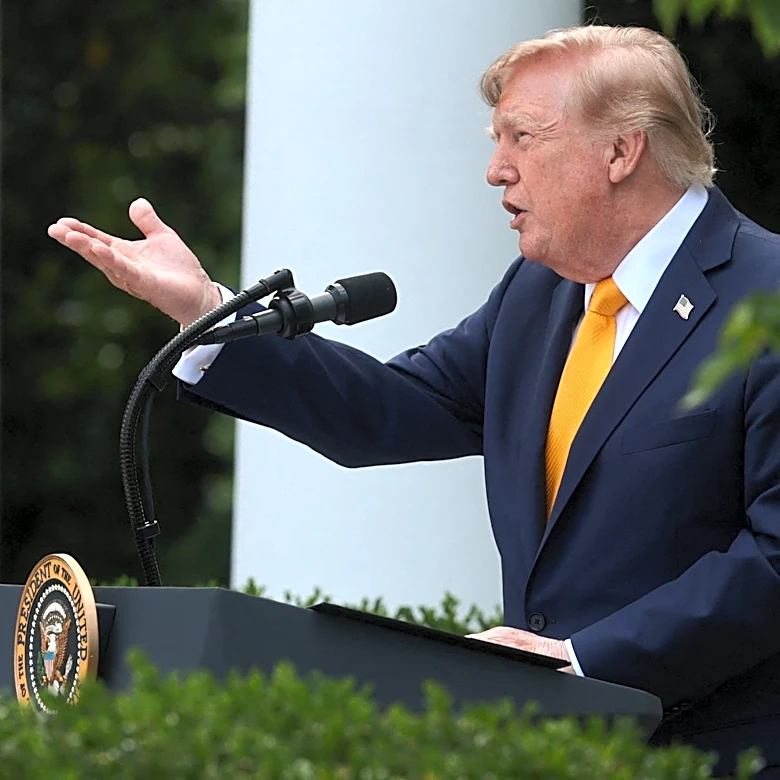
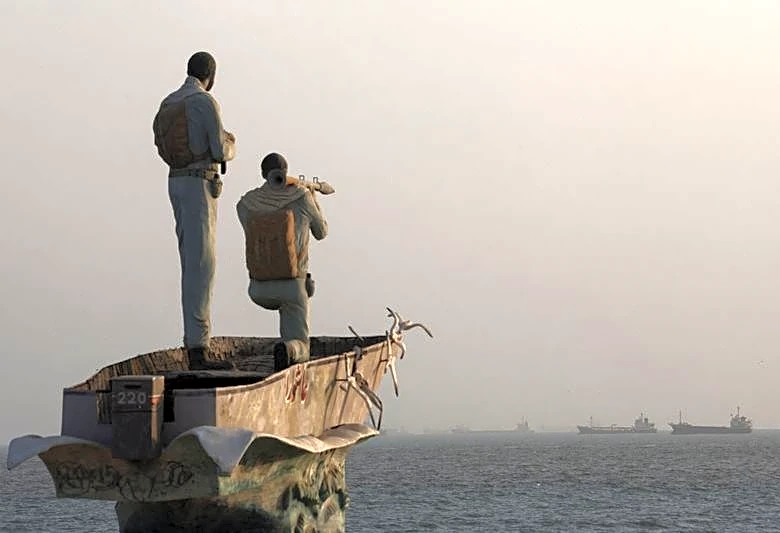
Six months into the U.S.-Israeli war against Iran, initial objectives such as regime change, destruction of nuclear capabilities, and elimination of missile supplies have not been fully met, leading to a stalemate. Despite early hopes for a swift conflict, President Trump's prediction of a 'four weeks or less' war has proven inaccurate. The assassination of Iran's Supreme Leader, Ayatollah Ali Khamenei, on the first day of the war did not lead to the collapse of the regime; instead, his son Mojtaba Khamenei succeeded him, leading to an even harsher government. While Iran's nuclear program has been severely damaged, it is not destroyed, and its missile capabilities, though initially hit, have shown signs of technical improvement and continued use against U.S. bases. The Strait of Hormuz, initially closed by Iran, was reopened through a ceasefire agreement, but Iran continues to exert leverage over the critical waterway. The conflict has also seen Iran's proxy networks, including Hamas and Hezbollah, suffer ...