California Coastline Experiences Unprecedented Sea Lion Strandings Due to Toxic Algae Bloom
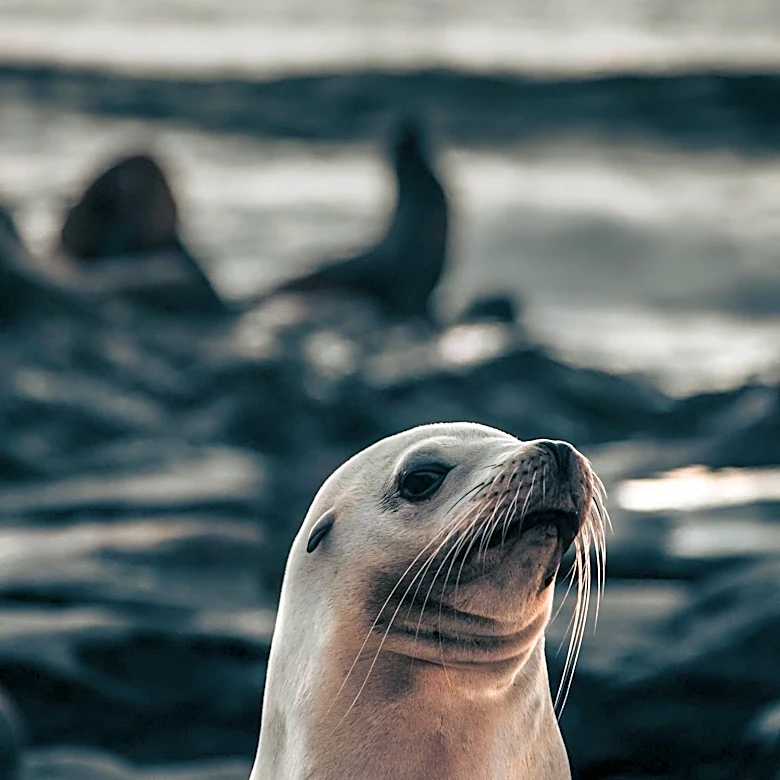
The California coastline is currently experiencing an unusually high number of sea lion strandings, primarily attributed to a widespread harmful algal bloom (HAB) event. This bloom involves pseudo-nitzschia, a microalgae that produces domoic acid, a potent neurotoxin. Sea lions consume organisms like anchovies, sardines, and squid that have ingested this toxic algae, leading to domoic acid poisoning. Symptoms in affected sea lions include lethargy, disorientation, unpredictable behavior, twitching, tremors, and seizures. The Marine Mammal Center, a Sausalito-based nonprofit, has reported that this year's outbreak is the largest in its history since domoic acid toxicosis was first diagnosed in California sea lions in 1998. The center has rescued 291 sea lions affected by domoic acid poisoning as of October, with most rescues occurring since July, significantly exceeding the typical annual range of 75 to 90 cases. Warming oceans and ocean acidification are identified as contributing factors to the proliferat...