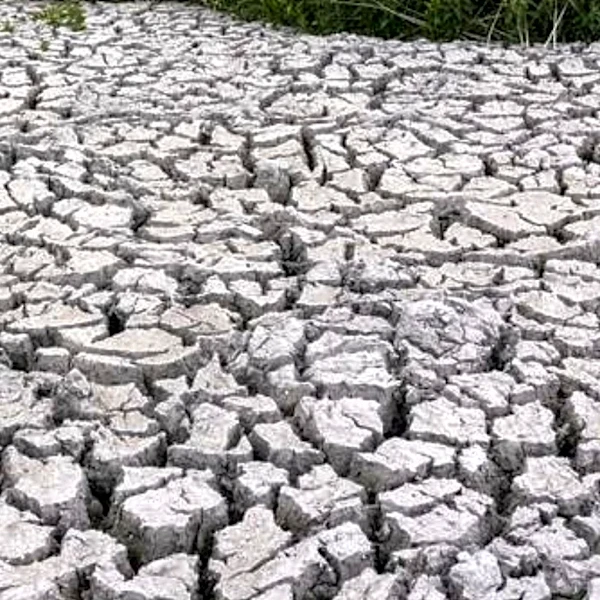
Drought Conditions Linked to Increased Cholera, West Nile, and Dengue Risk, Study Finds
New research indicates that as global landscapes become drier, the prevalence of certain infectious diseases, including cholera, West Nile virus, and dengue, may increase. This phenomenon, termed the 'drought-disease paradox,' challenges the conventional understanding that water-borne diseases thrive only with abundant water. The study, published in Trends in Ecology and Evolution and analyzed by Grist, reviewed nearly 100 studies involving humans and animals. It found that while dry conditions can reduce some disease threats by eliminating water sources, they can simultaneously create environments conducive to other pathogens. For instance, the 2017 drought in Somalia coincided with nearly 80,000 cholera cases, and California's 2014 superdrought was linked to a significant rise in West Nile virus cases. The research highlights that drought can alter the timing and location of mosquito-borne, food-borne, and dust-borne illnesses.