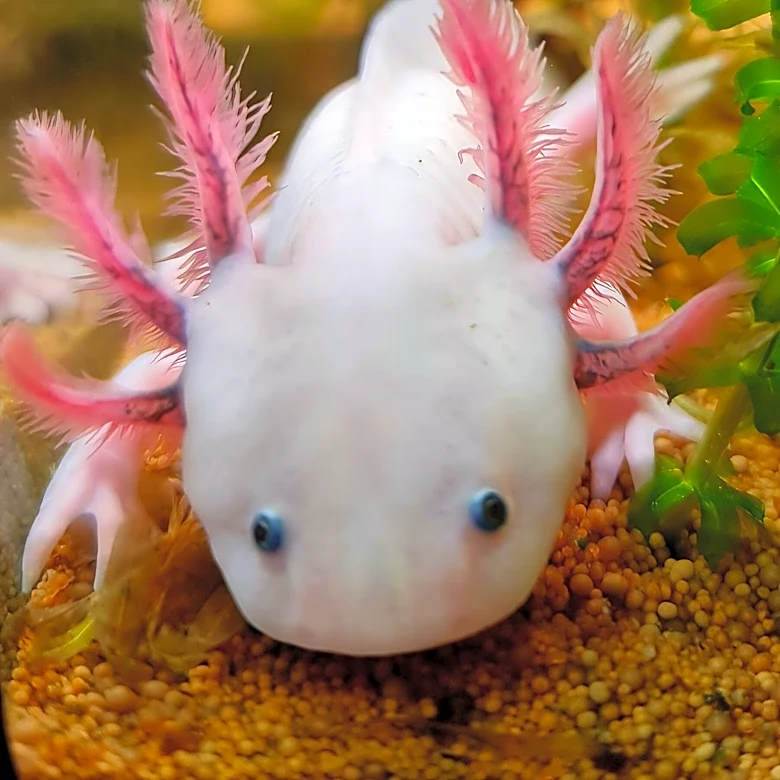
Axolotl's Remarkable Regenerative Abilities Face Extinction Threat in Wild Habitat, Impacting U.S. Medical Research
The axolotl (Ambystoma mexicanum), a unique salamander, possesses extraordinary regenerative capabilities, allowing it to regrow entire limbs, portions of its heart, sections of its spinal cord, parts of its retina, and even portions of its forebrain without forming scar tissue. This remarkable biological feat involves a process where, after an injury, epidermal cells rapidly cover the wound, forming a wound epithelium that develops into an apical epithelial cap. Beneath this cap, specialized cells dedifferentiate, reverting to a more embryonic state to form a blastema, which then rebuilds the missing structure following the original embryonic blueprint. Key molecular mechanisms, such as retinoic acid, act as a positional ruler, guiding the reconstruction of structures like limbs. Furthermore, ependymoglial cells in its brain and spinal cord function as dormant neural stem cells, enabling scar-free neural regeneration. The axolotl's immune system also plays a critical role, with macrophages quickly adoptin...