Nonprofit PennEnvironment Reports Widespread Microplastic Contamination in Chesapeake Bay Watershed
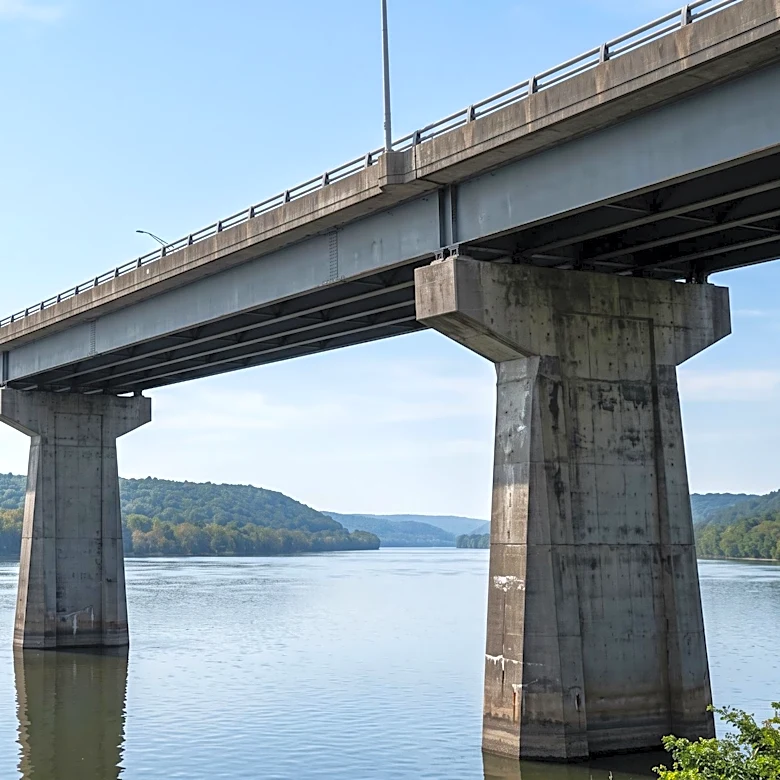
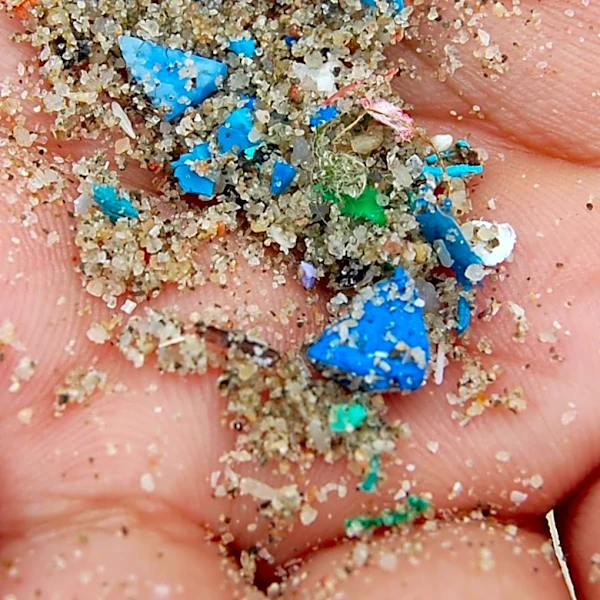
A new study released by the nonprofit PennEnvironment Research & Policy Center has revealed pervasive microplastic contamination throughout the Chesapeake Bay watershed. The report indicates that microplastics were present in every water sample collected from lakes, rivers, and bayfront locations within the watershed, including dozens of waterways across multiple states, with Pennsylvania being one of them. The Susquehanna River, which is the largest tributary to the Chesapeake Bay, contributes 50% of the fresh water flowing into the Bay. Faran Savitz, a zero waste advocate at PennEnvironment Research & Policy Center, emphasized the alarming nature of these findings for Pennsylvanians concerned about the Bay and the Susquehanna River. Stephanie Wein, Clean Water Advocate for PennEnvironment, highlighted that while microplastics may not be visible to the naked eye, they pose significant threats to the environment and public health, urging policymakers to address plastic pollution.