Archaeological Review Redefines Ancient Nubian Identity Beyond Egyptian Influence
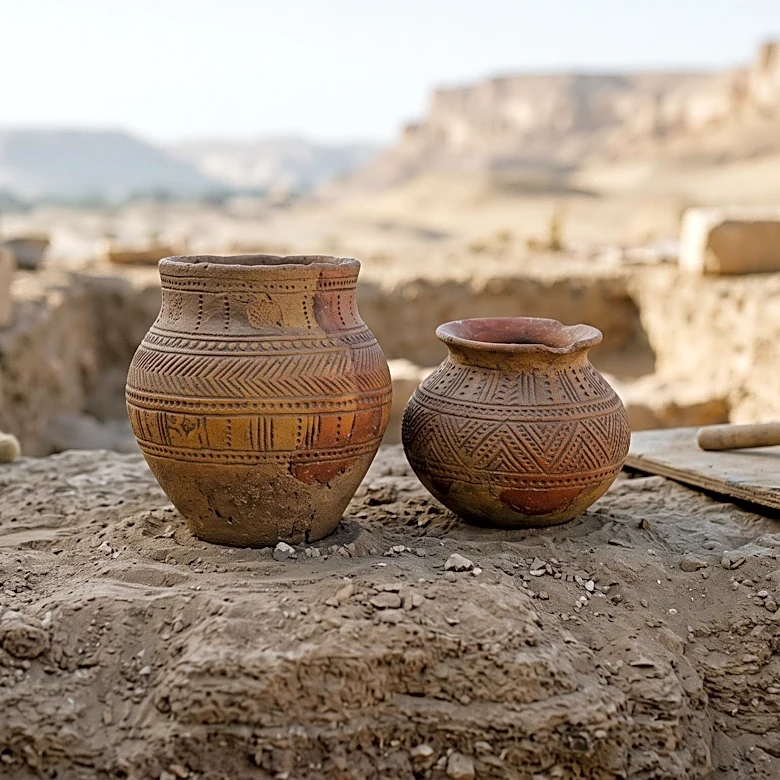
A new review of bioarchaeological and archaeological research challenges traditional understandings of ancient Nubian identity. The study argues that Nubian identity was not simply a choice between 'Nubian' and 'Egyptian' but was instead flexible, layered, and continuously reshaped by political and social changes along the Middle Nile Valley. Researchers integrated skeletal evidence, burial contexts, material culture, visual representations, and social theory to present a more nuanced picture. For instance, evidence from Tombos in Sudan shows that an individual with dwarfism was not treated differently in burial, suggesting that physical differences did not automatically lead to social exclusion. Similarly, burial styles, such as Egyptian-style tombs versus traditional Nubian tumuli, did not neatly correspond to elite or non-elite status, indicating that Nubian customs could be associated with privileged positions. The review also highlights how material culture, like Nubian-style pottery in Egyptian settl...