Lake Powell Shrinks, Forcing Marinas to Adapt Amid Drought and Climate Change
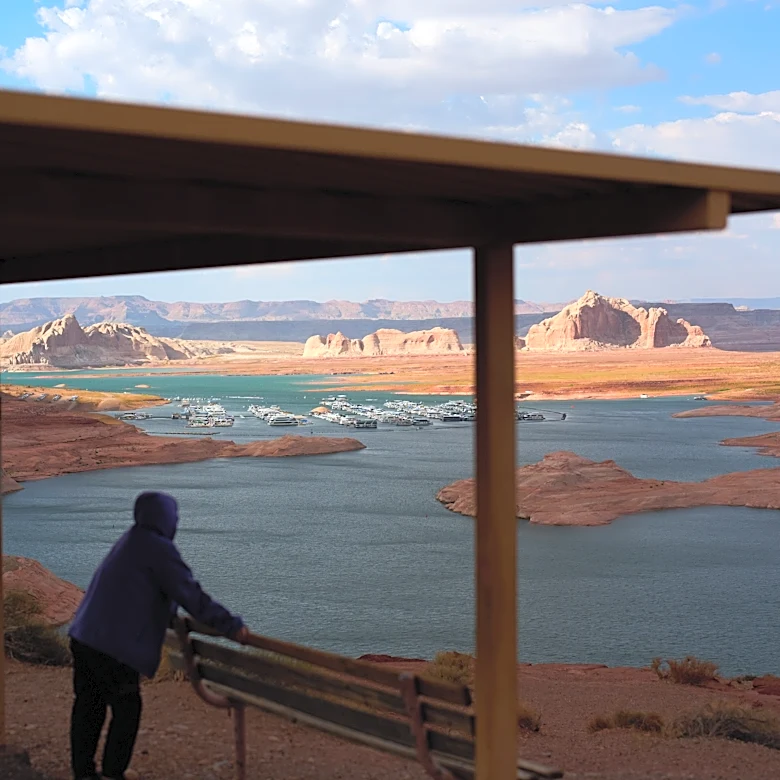
Lake Powell, the second largest reservoir in the United States, is experiencing significant water level declines due to a combination of factors including a record-dry winter, extreme heat, and long-term climate change. The reservoir, located on the Utah-Arizona border, is currently about 23% full and is nearing historic low levels that could impact hydropower production. Marinas in the area are adapting by closing or relocating boat ramps and moving marinas to deeper waters. The situation is part of a broader crisis affecting the Colorado River, which supplies water to millions of people across seven U.S. states, tribal nations, and Mexico. Efforts are underway to manage the dwindling water resources, including water deliveries from upstream reservoirs.