New Research Suggests Zhamanshin Impact Crater More Destructive Than Previously Thought
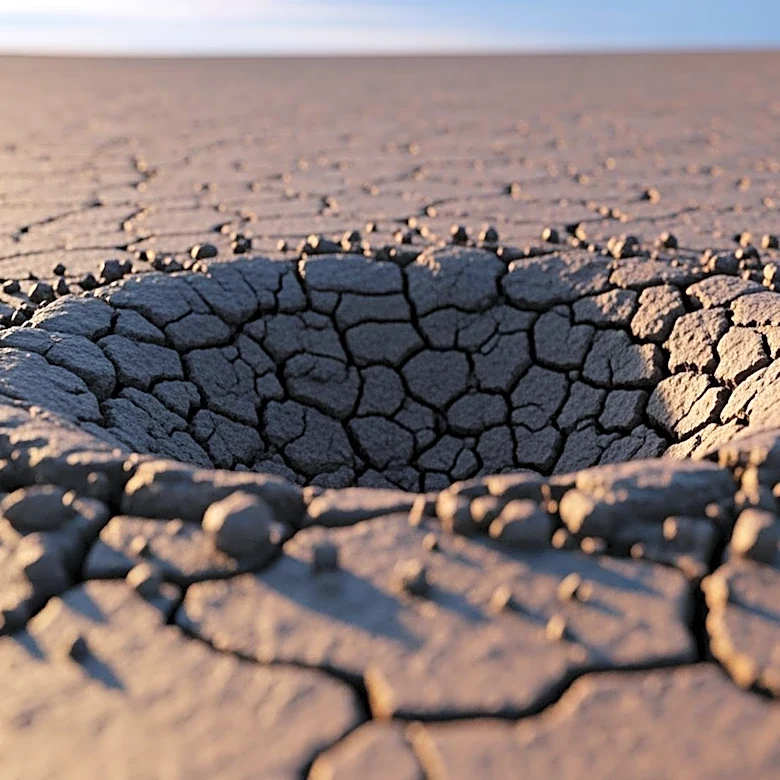
Recent research indicates that the Zhamanshin impact crater in Kazakhstan, previously thought to be less impactful, may be twice as large as earlier estimates suggested. The crater, formed around 900,000 years ago, is now believed to have a diameter of approximately 26.5 kilometers, significantly larger than the previously estimated 14 kilometers. This new finding suggests that the impact's energy and its potential environmental consequences were much greater than previously understood. The study, led by James Garvin from NASA's Goddard Space Flight Center, utilized high-resolution topography and remote-sensing techniques to reassess the crater's dimensions. The research posits that the impact could have had significant climatic and biological effects during the Pleistocene era, potentially influencing climate changes and biological systems on Earth.