Harvard Paleontologist Identifies 500-Million-Year-Old Predator, Rewrites Spider Evolution
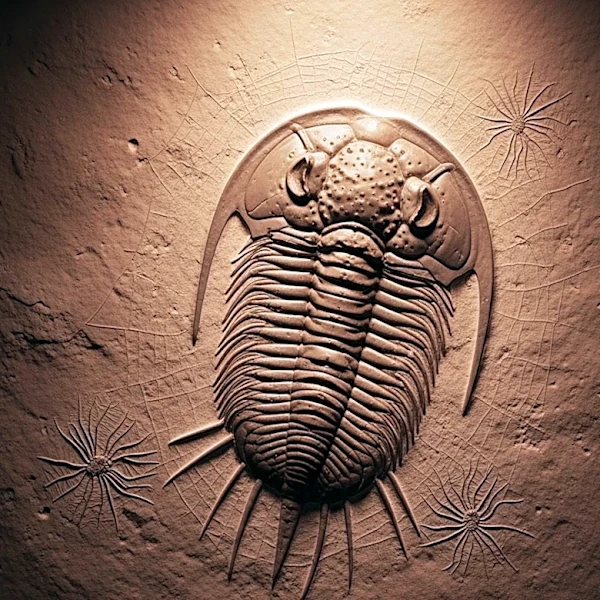
A fossil discovered over 40 years ago in Utah has been re-examined and identified as a new species of chelicerate, named Megachelicerax cousteaui. This discovery, made by Harvard University paleontologist Rudy Lerosey-Aubril, pushes back the origins of chelicerates, the arthropod group that includes spiders and horseshoe crabs, by 20 million years to the Cambrian period. The fossil features massive, three-segmented chelicerae, which are pincer-like appendages, confirming its classification as a chelicerate. The study, published in Nature, highlights the anatomical complexity of arthropods during the Cambrian era.