Army Engineers' Pre-9/11 Pentagon Reinforcements Credited with Saving Thousands of Lives
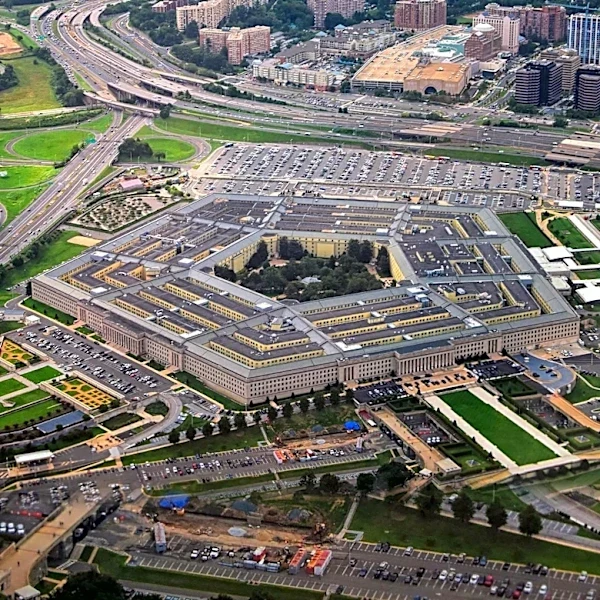
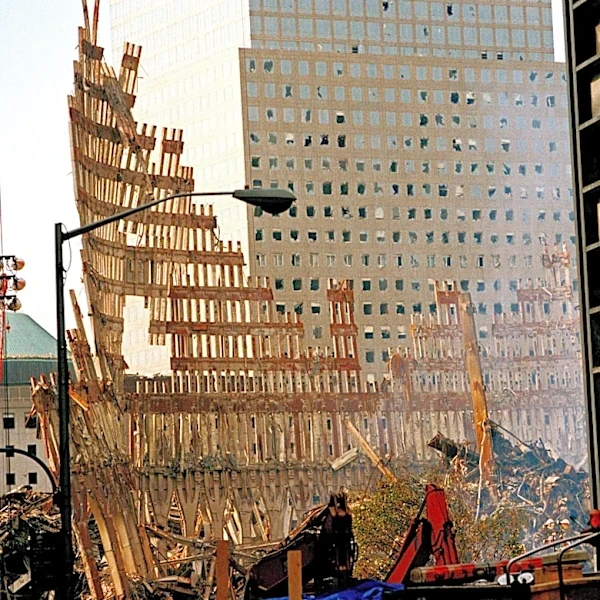
On September 11, 2001, as a hijacked commercial jetliner crashed into the Pentagon, pre-existing reinforcement work by U.S. Army engineers is being credited with significantly mitigating casualties. Dr. Paul Mlaker, who retired from the U.S. Army Engineer Research and Development Center (ERDC) in 2015, was on-site cataloging damage shortly after the impact. The Pentagon, built in 1941, had undergone a five-phase renovation effort prioritizing safety and stability, initiated in response to troubling world events like the 1993 World Trade Center bombing and the 1995 Oklahoma City bombing. The first phase of this renovation, focusing on 'Wedge 1' of the building, had been completed just days before the attack. This work included blast-resistant windows, ballistic materials, and wall reinforcements, which were originally intended to protect against threats like truck bombs. Despite the horrific nature of the attack, which killed 125 military and civilian workers, the structural integrity provided by these rein...