OSHA's Silica Protections Face Scrutiny as Engineered-Stone Workers Develop Silicosis
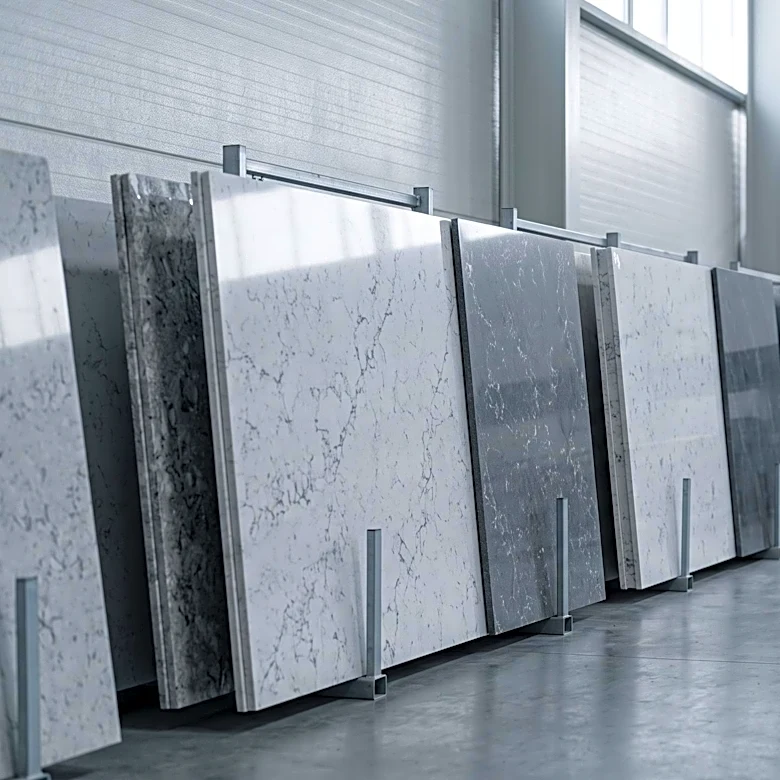
The Occupational Safety and Health Administration (OSHA) implemented a rule in 2016 to reduce worker exposure to respirable crystalline silica, setting a permissible exposure limit of 50 micrograms per cubic meter of air over an eight-hour time-weighted average. This rule aimed to prevent severe health issues such as silicosis, lung cancer, and kidney disease. Despite this regulation, workers in industries like countertop fabrication continue to develop and die from silicosis. Public health experts and former OSHA officials, including David Michaels, who served as assistant secretary of labor for OSHA from 2009 to 2017, indicate that the rule, while important, may not be sufficiently protective, especially given that artificial stone slabs can contain up to 90% silica. Furthermore, many small employers reportedly fail to comply with the existing standards. The rule faced industry pushback upon its implementation, with groups challenging its scientific basis in court.