Trinidad and Tobago's Ice Age Fossils Reveal Prehistoric Past, U.S. Institutions House Key Specimens
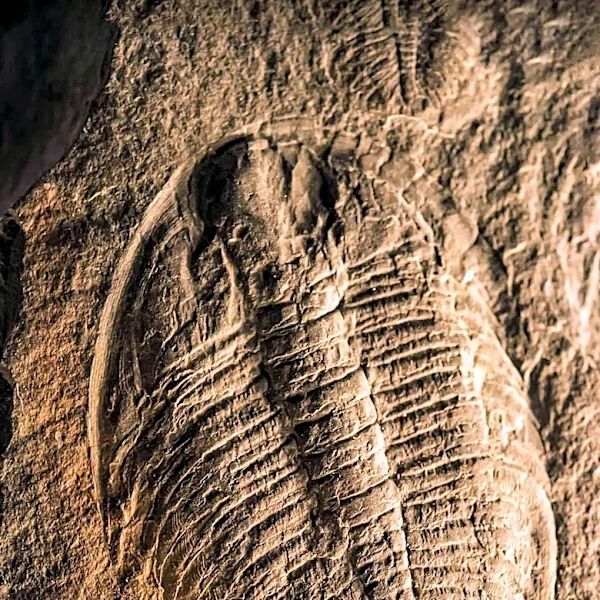
Trinidad and Tobago's Ice Age fossils, largely discovered during oil exploration between the 1920s and 1980s, are providing a unique window into the islands' prehistoric past. These specimens, dating back to the Pleistocene epoch (2.5 million to 10,000 years ago), include vertebrate, invertebrate, and plant material, offering insights into life before human arrival. Dr. Ryan Mohammed, a biologist at The University of the West Indies (UWI) and a council member of the National Trust of Trinidad and Tobago (NTTT), emphasizes the importance of these fossils for understanding ancient environments and assessing current climate data. Notably, several key historical finds, such as a giant armadillo carapace and skull discovered by Apex Oil Company in the 1920s, are currently housed in the United States. Other specimens were collected by Elizabeth Wing in the 1960s for the Florida Museum of Natural History.