Canadian Arctic Muskoxen Threatened by Emerging Diseases and Climate Change
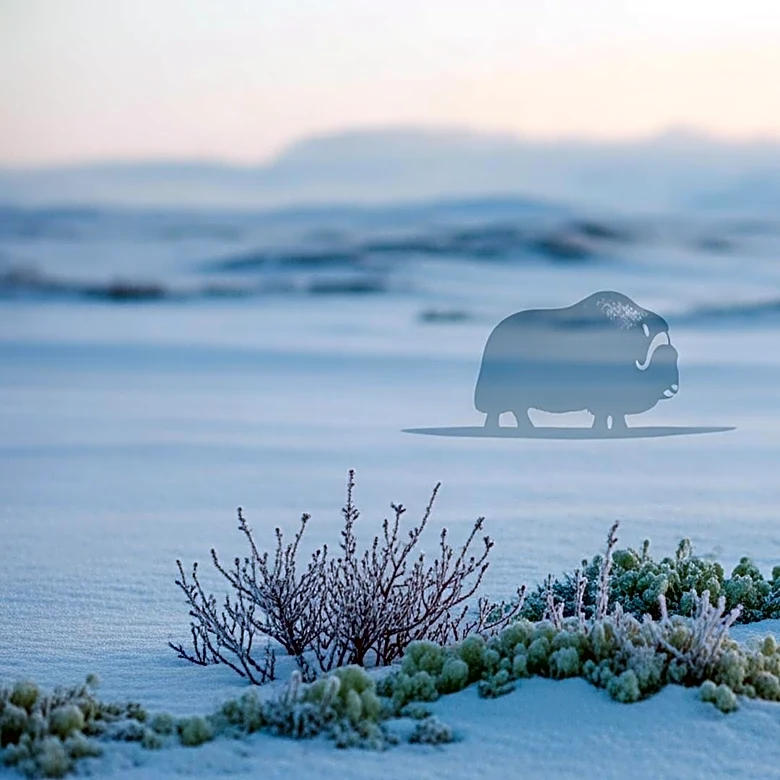
Muskoxen in the Canadian Arctic are facing significant threats from emerging diseases and climate change. A novel strain of bacteria, Erysipelothrix rhusiopathiae, known as the 'Arctic clone,' has been linked to widespread muskox mortalities on Victoria and Banks islands since 2009. Additionally, brucellosis, a zoonotic disease, is increasingly affecting muskoxen populations on Victoria Island and parts of the mainland. These diseases are being monitored through a community-based wildlife health surveillance program involving Inuit hunters, scientists, and government agencies. Muskoxen are crucial for food security and cultural practices among Inuit communities, and their decline poses risks to both ecological balance and Indigenous traditions. Climate change exacerbates these challenges, with the Arctic warming nearly four times faster than the global average, leading to hotter summers and increased rain-on-snow events that further stress muskox populations.