University of Vienna Researchers Uncover Evolutionary Mechanisms in Tropical Tree Photosynthesis
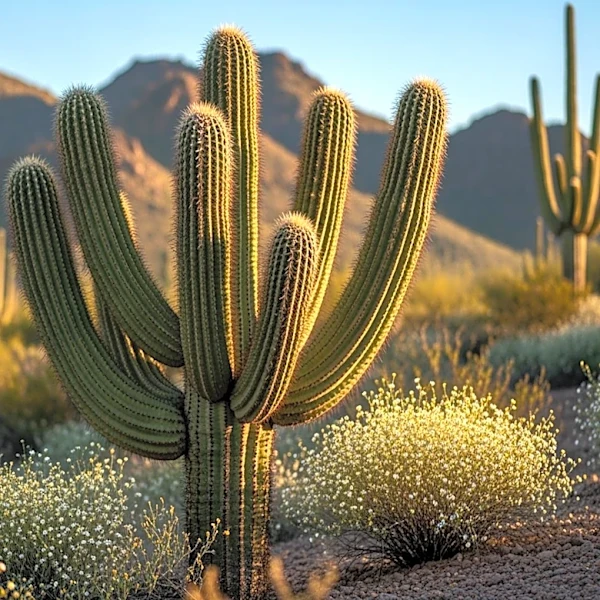
A research team at the University of Vienna, led by Wolfram Weckwerth, has made significant strides in understanding the evolution of Crassulacean Acid Metabolism (CAM) photosynthesis within the tropical tree genus Clusia. By analyzing the genomes of three Clusia species, the researchers have traced how genome duplication and subsequent genetic rearrangement contribute to the diversity of CAM traits. This study, published in Nature Communications, highlights the unique ability of Clusia trees to perform CAM photosynthesis, a process that allows them to absorb carbon dioxide at night and store it as malic acid, thus conserving water during the day. The research involved combining molecular data with physiological measurements under realistic environmental conditions, revealing the genetic basis for the diverse photosynthetic strategies observed in Clusia species.