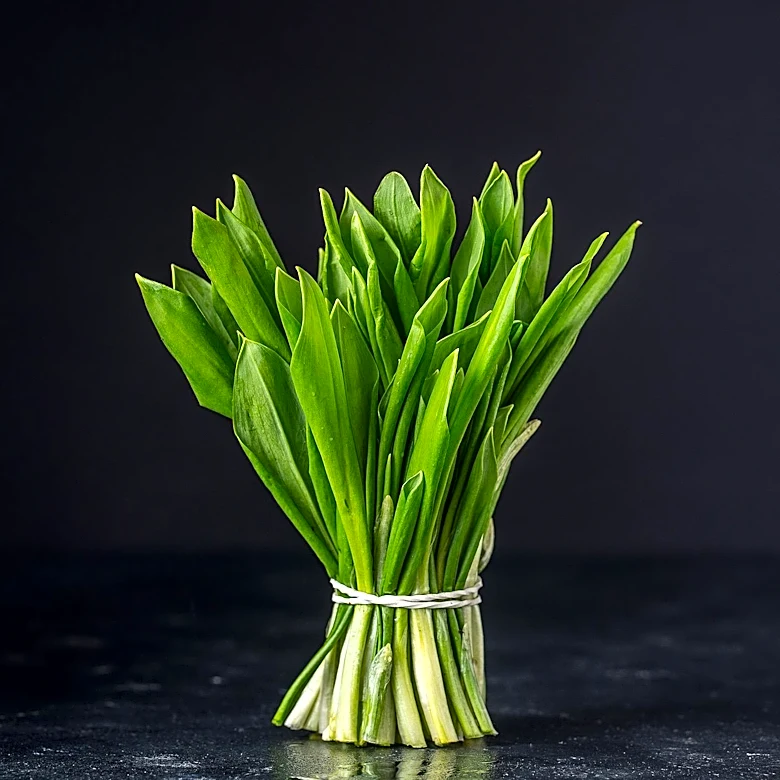
Ramps, a Wild Leek, Hold Historical and Cultural Significance in the U.S.
Ramps, botanically known as Allium tricoccum, are slender, upright plants characterized by small bulb-like bases, tapering stalks, and broad lanceolate-shaped leaves. These wild leeks are traditionally harvested when they reach 25 to 35 centimeters in length, with bulbs typically 1 to 4 centimeters long. The plants possess a powerful, woody aroma combined with pungent garlic, onion, and vinegar notes. All parts of the plant—leaves, stems, bulbs, and roots—are edible, either raw or cooked, offering an earthy, peppery, vegetal, garlicky, and onion-like taste. Wild Ramps are a slow-growing, perennial plant native to North America, appearing for only a few months in early spring, often for three weeks or less in some regions. They grow in clusters with shallow, entwined roots and were once abundant across the United States and Canada. However, overharvesting has made them an elusive and valuable ingredient.