Diwali Celebrations in South Asia Coincide with Hazardous Winter Air, Raising Safety Concerns
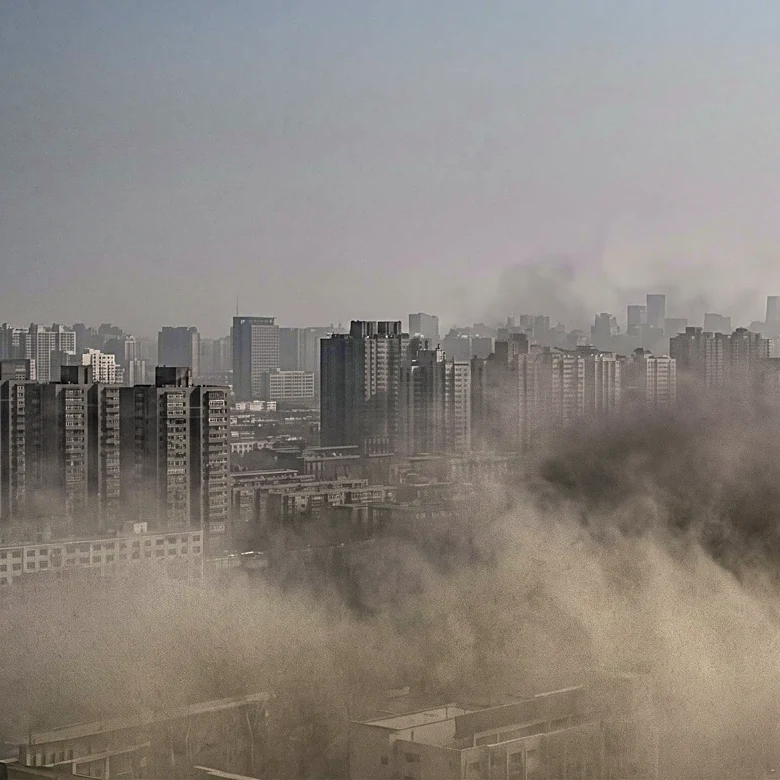
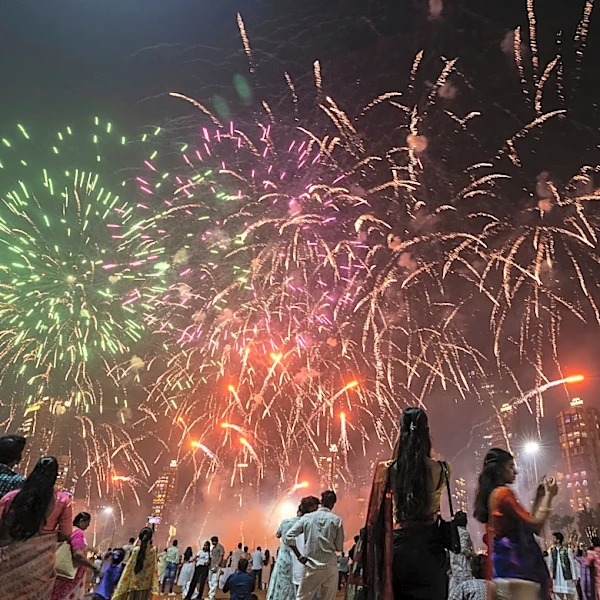
Diwali celebrations across South Asia, particularly in northern India, are coinciding with the annual return of hazardous winter air pollution. This convergence is prompting concerns about how individuals can safely participate in the festivities. Public health experts, such as Shweta Narayan of the Global Climate and Health Alliance, highlight that while poor air quality is a year-round issue in the region, firecrackers traditionally used during Diwali significantly exacerbate the problem. The air quality index (AQI) in India categorizes pollution levels, with readings of 201-300 as 'poor,' 301-400 as 'very poor,' and 401-500 as 'severe,' the latter posing risks even to healthy individuals. Beyond firecrackers, the broader issue of air pollution in India, Pakistan, and other parts of South Asia stems from traffic, industrial emissions, construction dust, and the burning of crop residues and waste. Weak winds and stagnant winter air further trap these pollutants near the ground, leading to severe smog. Exp...