Air Quality Index Faces Criticism Amid Increasing Wildfire Smoke in the U.S.
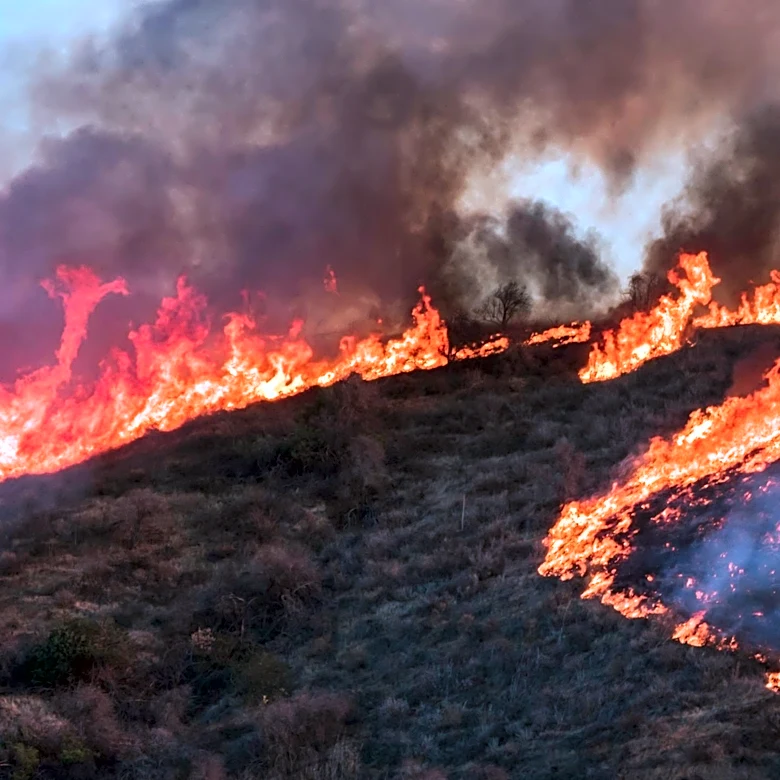
The Air Quality Index (AQI), a tool used to measure air pollution levels, is under scrutiny as wildfires increasingly affect air quality across the United States. The AQI, developed 50 years ago, measures concentrations of five pollutants: particulate matter, ozone, sulfur dioxide, nitrogen dioxide, and carbon monoxide. These readings are taken from thousands of monitoring stations nationwide and are compared against safety thresholds set by federal standards. However, the AQI has been criticized for its inconsistency and lack of precision, particularly in areas with fewer air-pollution sensors. The index often reports only the highest pollutant concentration, which can misrepresent overall air quality. This issue is compounded by the fact that AQI reports are not standardized across different platforms, leading to confusion among the public.