New York City Faces Increased Risk of Legionnaires' Disease Due to Climate Change
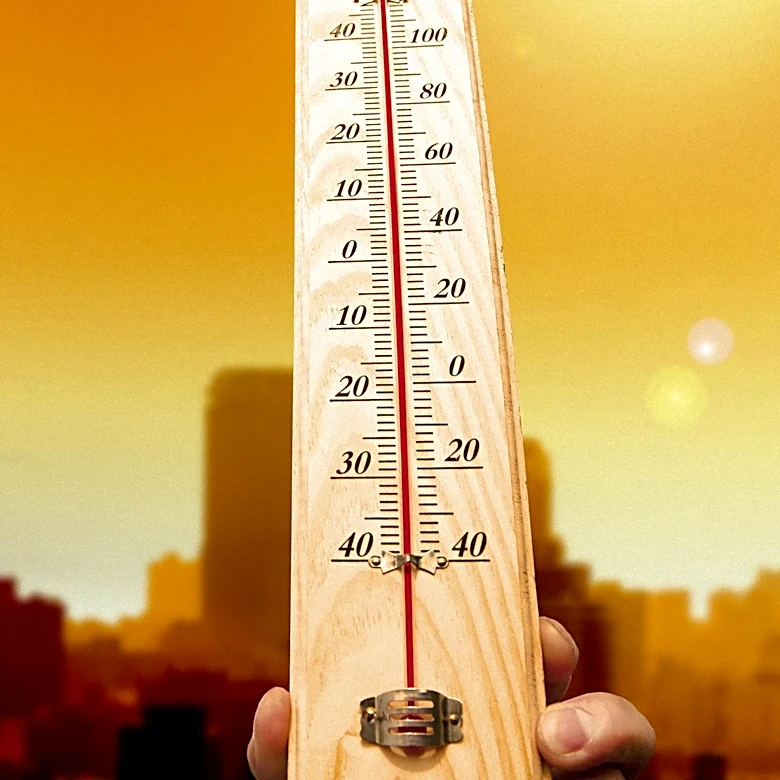
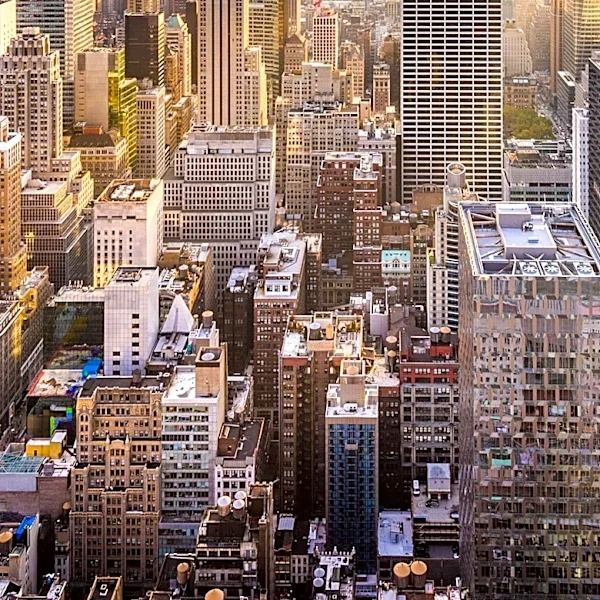
New York City is experiencing heightened risks of Legionnaires' disease, a severe form of pneumonia, as a result of climate change. According to the New York State Climate Impacts Assessment, the city is expected to see a significant increase in days with temperatures over 95 degrees by the mid-21st century. This rise in temperature, along with increased rainfall and humidity, creates favorable conditions for the growth of Legionella bacteria in water systems, such as rooftop cooling towers. Dr. Ashish Jha from the Harvard Kennedy School highlights that climate change is exacerbating public health threats, including vector-borne diseases. City officials, including Health Commissioner Dr. Alister Martin, have acknowledged the recurring risk of Legionnaires' disease outbreaks. Some city council members are proposing a summer hotline to address public concerns. Despite the challenges, experts like Janet Stout emphasize that proper maintenance and regulation enforcement can prevent outbreaks.