New Fossil Evidence from China Indicates Earlier Emergence of Complex Animals
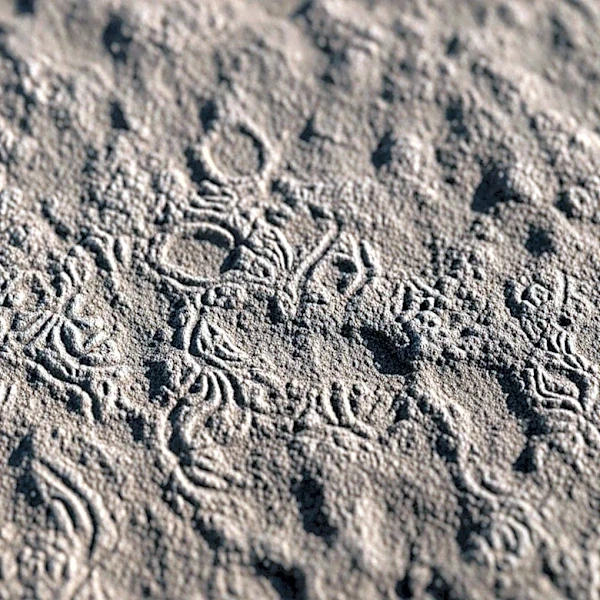
A recent fossil discovery in southwestern China has provided new evidence that complex animal life may have emerged millions of years earlier than previously thought. The fossils, found at the Jiangchuan Biota site in Yunnan province, date back to the Ediacaran period, between 554 million and 539 million years ago. This predates the Cambrian period, which was traditionally associated with the rise of complex life. The fossils include a variety of organisms, such as goblet-shaped sea jelly relatives and wormlike creatures, preserved in remarkable detail. This discovery suggests that complex animals, possibly including ancestors of vertebrates, were present during the Ediacaran period.