Study Reveals Disparities in Urban Heatwave Vulnerability Across Spanish Cities
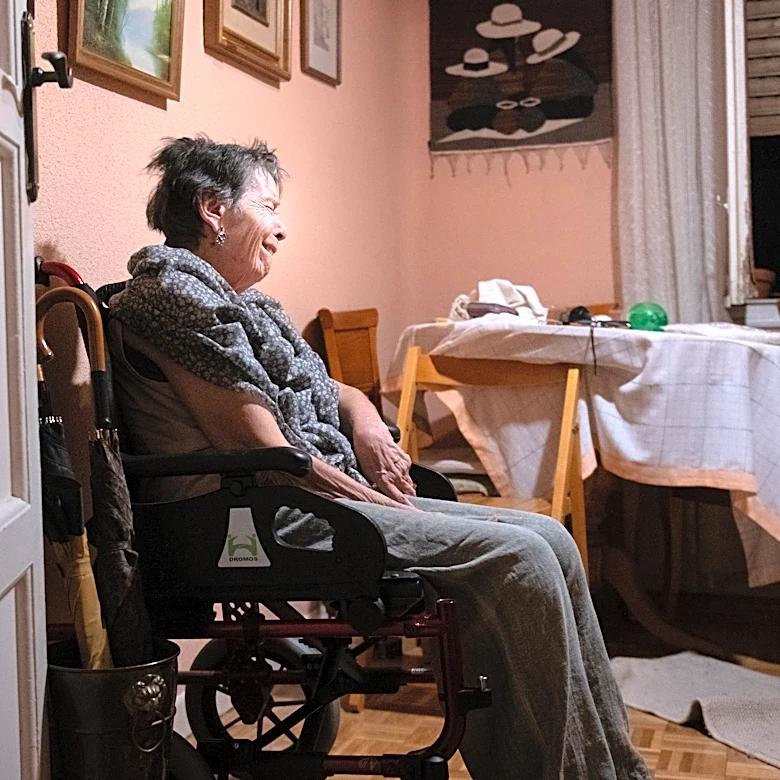
A study conducted as part of the OLADAPT project, involving the Polytechnic University of Madrid, the University of Extremadura, and the UNESCO Chair in Sustainable Development and Environmental Education at the EHU, has found significant variations in vulnerability to heatwaves within Spanish cities. The research, published in the journal Cities, focused on Bilbao, Madrid, and Cáceres, all located in different climate zones. It highlights that the risk posed by heatwaves is multidimensional, encompassing not just temperature but also how cities are built, the areas most affected by high temperatures, and the socioeconomic vulnerability of residents. The study utilized building-level assessments, integrating socioeconomic, building, and environmental factors to identify local hotspots. It concluded that lower-income areas and older residents exhibit greater vulnerability to heatwaves. The methodology developed allows for the creation of urban vulnerability maps, which can help prioritize adaptation measure...