Herbicide Dicamba Shows Unintended Effects on Weeds, Raising Ecological Concerns
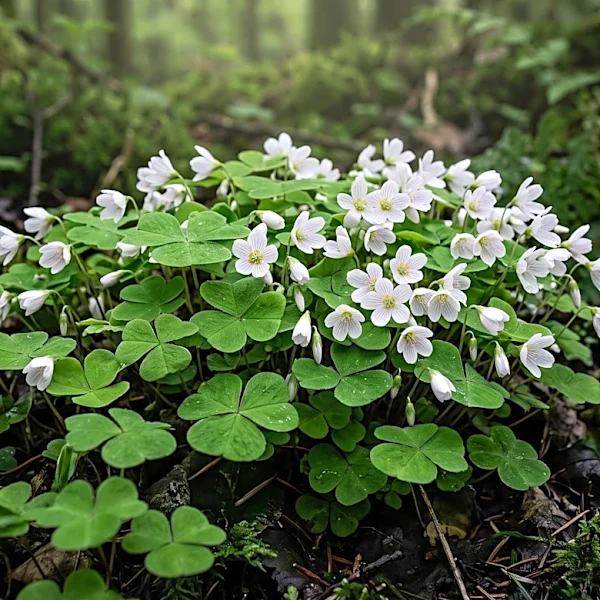
A recent study has revealed that the herbicide dicamba, widely used in agriculture, can have unintended consequences on certain weedy plants. While dicamba is known for its ability to drift miles from its application site, damaging nearby crops and trees, new research from the University of Michigan indicates a peculiar reaction in wood sorrel. When exposed to low doses of dicamba, this common weed produces more, albeit smaller, flowers. This phenomenon, known as a hormetic response, suggests that some plants may react beneficially to low levels of the chemical, rather than simply dying. The study highlights that while the wood sorrel did not become stronger over successive generations, the changes within the plant could alter the surrounding ecosystem, potentially affecting pollinator visitation rates. This finding adds to a growing body of research on dicamba's incremental impact on U.S. ecosystems.