NASA's James Webb Space Telescope Measures Distance to Farthest Fast Radio Burst, Suggesting Origin
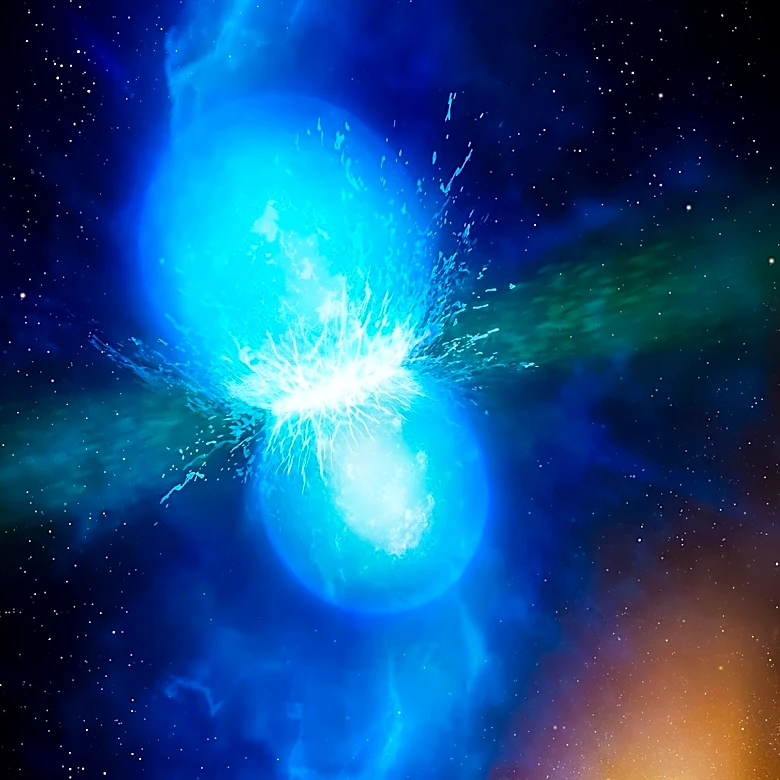
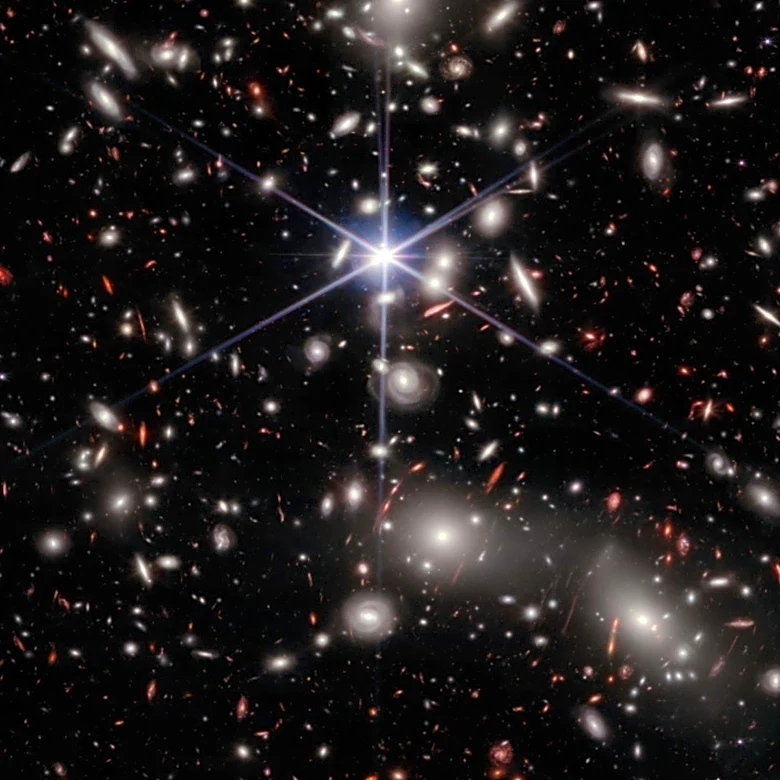
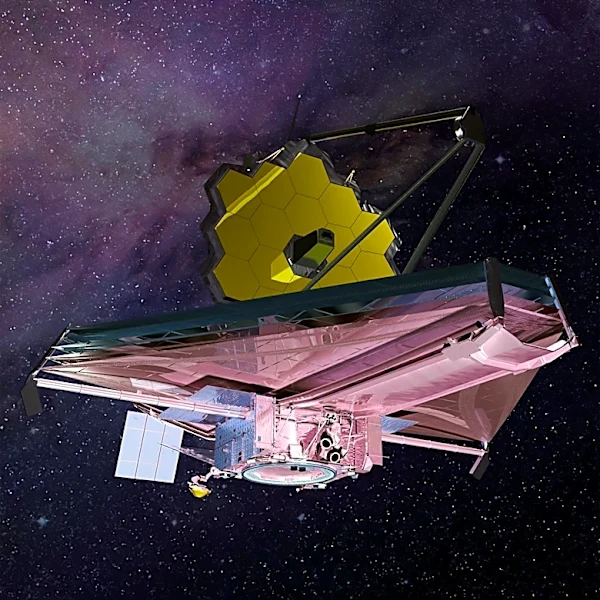
Astronomers utilizing NASA’s James Webb Space Telescope have successfully pinpointed the host galaxy of the most distant fast radio burst (FRB) observed to date, designated FRB 20240304B. First detected by the MeerKAT telescope, the radio data indicated its extreme distance. The Webb telescope's NIRCam instrument located the host galaxy, and its NIRSpec instrument provided a precise redshift measurement of 2.148, placing the event approximately 3 billion years after the Big Bang. This host galaxy is a small, actively star-forming dwarf galaxy, which is significantly less massive (1,000 times) than typical FRB host galaxies. This finding challenges existing theories regarding the origin of FRBs, particularly those suggesting they result from the merger of two neutron stars, a process expected to take billions of years and thus be associated with older, more evolved stellar populations. The team's work, published in the journal Science, suggests that the FRB is unlikely to have been produced by such a merger...