Mimosa Trees, Once Prized Ornamentals, Become Invasive Species Across U.S. South and East
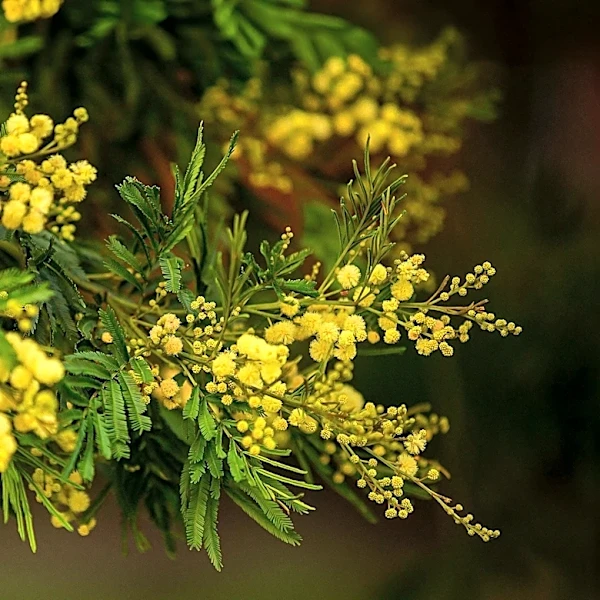
The mimosa tree (Albizia julibrissin), introduced to the United States around 1745 for its fragrant pink flowers and delicate foliage, has escaped cultivation and is now considered an invasive species across parts of the southern and eastern U.S. Initially welcomed as an ornamental, the tree's ability to grow quickly, produce numerous seeds, and resprout after being cut has allowed it to establish itself along roadsides, clearings, flood plains, and other disturbed areas. Its long, flat seed pods, containing several seeds, can be dispersed by wind and water, further aiding its spread. In areas where mimosa forms dense stands, it competes with native trees and shrubs, altering habitat along forest edges and waterways. The Maryland Invasive Species Council notes that mimosa can invade riparian areas, old fields, and roadsides, with its seeds remaining dormant for years due to their hard, impermeable coats, making control difficult.