NASA's Hubble Telescope Reveals Decline in Star Formation in Andromeda Galaxy
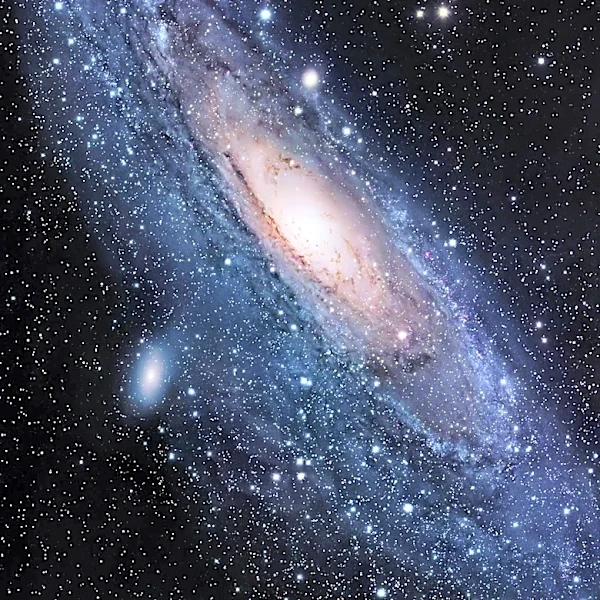
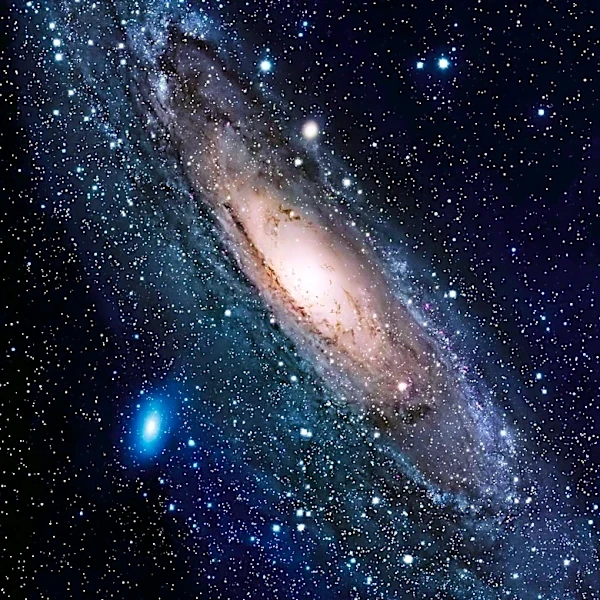
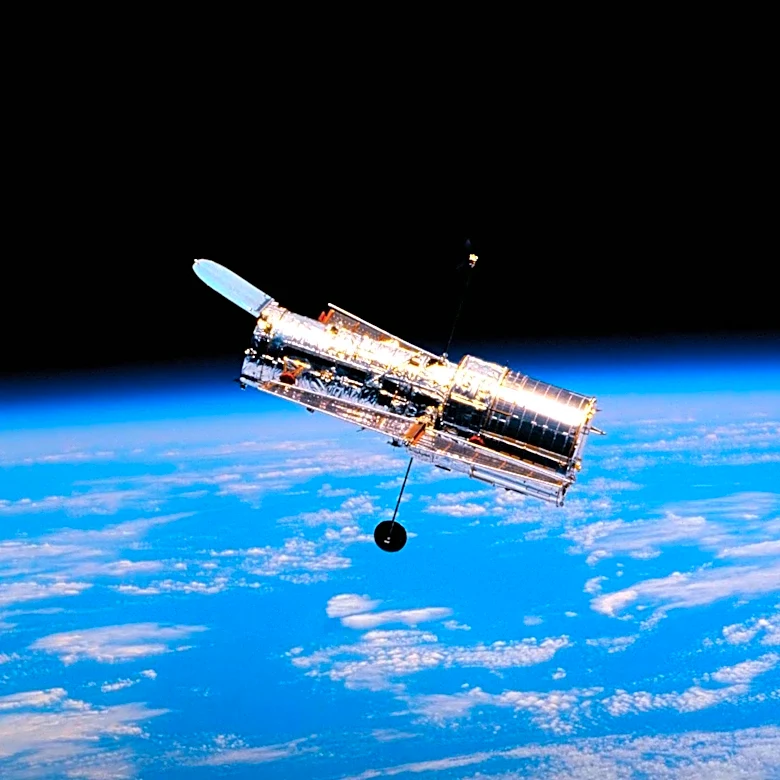
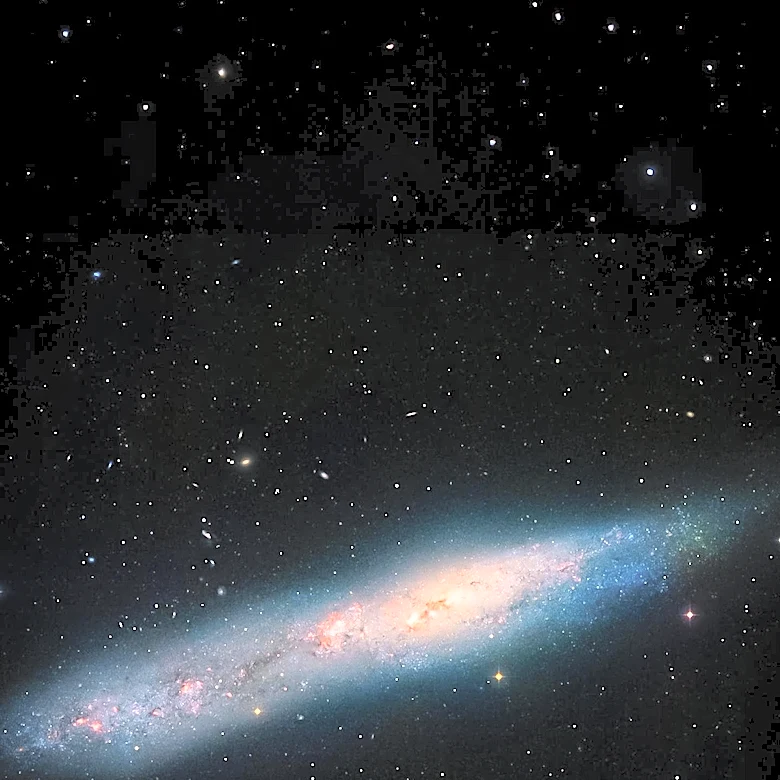
NASA's Hubble Space Telescope has provided new insights into the Andromeda galaxy, revealing a significant decline in star formation over the past 500 million years. The study, published in The Astrophysical Journal, utilized data from two Hubble surveys to map two-thirds of Andromeda's disk in detail, measuring about 200 million individual stars. The findings indicate that Andromeda, a spiral galaxy similar in size to the Milky Way and located approximately 2.5 million light-years from Earth, has experienced a steep drop in star formation, particularly in the last 40 million years. The research team, led by astronomers from the University of Washington, discovered that the rate of star formation has decreased from about one solar mass per year 500 million years ago to about one-fifth of a solar mass per year currently. The decline is primarily observed in a star-forming ring located 32,000 light-years from the galaxy's center.