Climate Change Alters Wildlife Patterns in Georgia
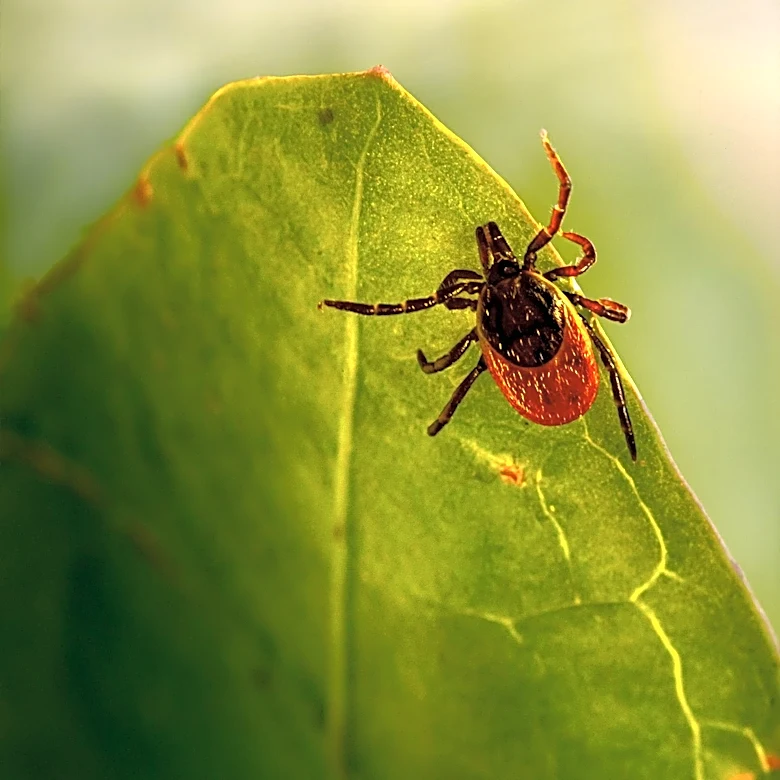
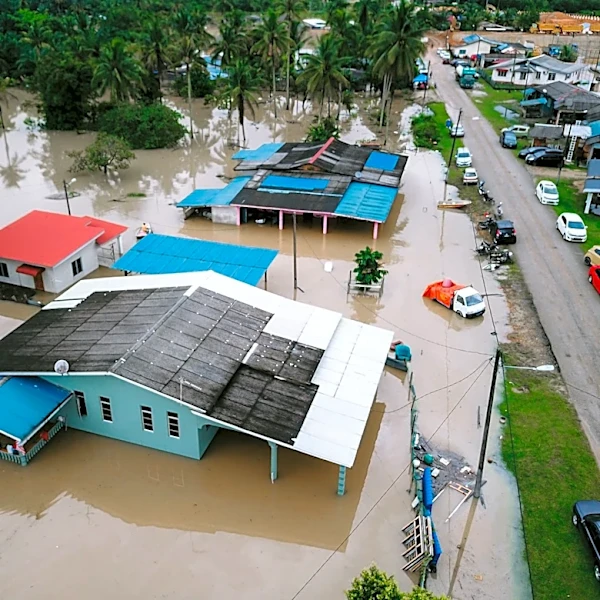
Climate change is significantly impacting the seasonal behaviors and habitats of wildlife in Georgia, according to experts and the National Oceanic and Atmospheric Administration (NOAA). Rising winter temperatures are causing shifts in where animals live, when they breed, and how they find food. This includes changes in the behavior of pollinators, migratory birds, and invasive species. Warmer winters are allowing red imported fire ants to expand their range, potentially threatening ground-nesting birds, young wildlife, and pets. Additionally, milder winters are extending the active periods of ticks and mosquitoes, increasing the risk of encounters and potential health issues. These changes are part of broader environmental impacts, including rising temperatures, sea-level rise, drought, and flooding, which are altering ecosystems and human health across the region. (Source: The Augusta Chronicle, 2026-07-25, 4:01 a.m. ET)