Alaska's Rivers Turn Orange and Acidic Due to Thawing Tundra, Exceeding Mine Drainage Acidity
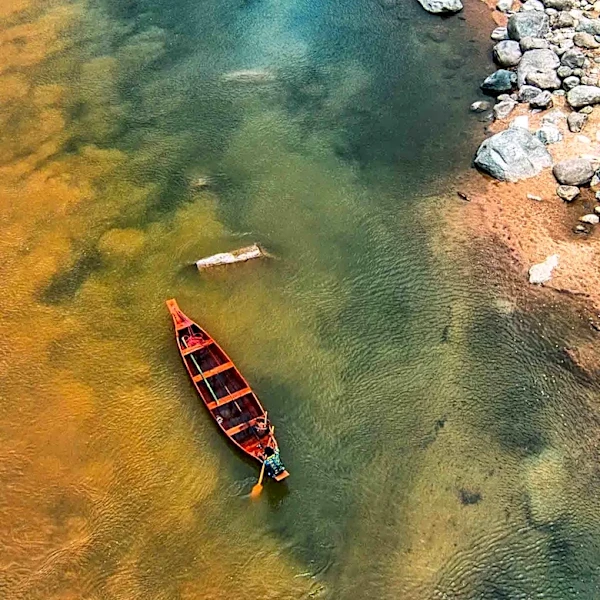
Rivers in Alaska are turning orange and becoming highly acidic, a phenomenon researchers are calling 'rusting.' This change is attributed to minerals, specifically iron and sulfuric acid, leaching from thawing permafrost in the Arctic tundra. A study conducted in northern Alaska's Brooks Range found that these 'rusting' waters are more metallic and acidic than typical drainage from metal mines. For instance, on the Salmon River, metal levels increased seventy-fold approximately 60 miles downstream. This process began in the summer of 2019, which was the hottest summer on record for Alaska, and has since been observed in over 200 rivers across Alaska and northern Canada. Scientists, including Brett Poulin, a professor of environmental toxicology at the University of California, Davis, and co-author of the new study, were surprised by this development, noting it was not predicted in climate change assessments.