Urban Heat Islands Worsen Risks in Tropical Cities Amid El Niño
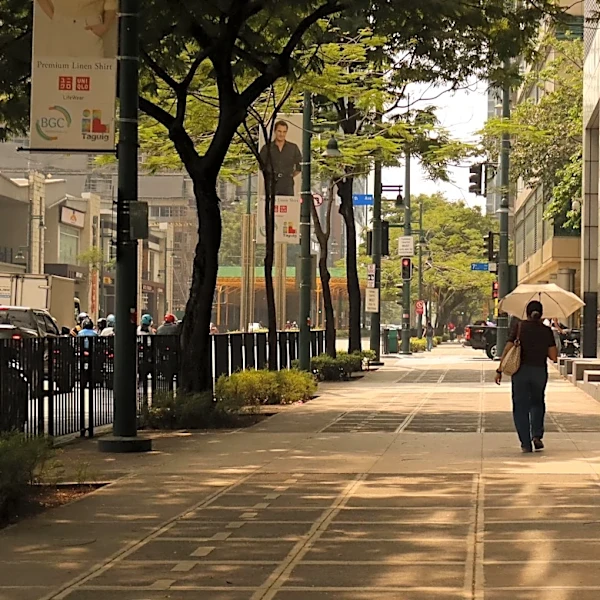
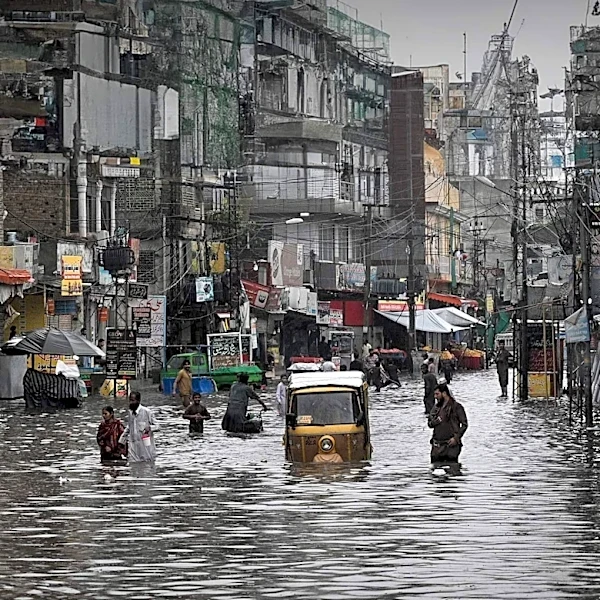
Urban heat islands (UHIs) are intensifying the heat burden in tropical cities, where artificial surfaces like concrete and asphalt trap heat during the day and release it at night, preventing cooling. This issue is exacerbated by the 2026-2027 El Niño, which is expected to bring record-breaking temperatures to the tropics. Vulnerable populations, including the poor, elderly, and outdoor workers, face heightened risks due to the combination of extreme heat, high humidity, and limited cooling infrastructure. Wealthier cities like Singapore have implemented advanced UHI mitigation strategies, such as green roofs and urban greening, but many tropical mega-cities, including Lagos, Mumbai, and Jakarta, struggle to afford similar measures. The disparity in resources highlights the economic inequality in addressing UHI effects, which are further compounded by rapid urbanization and climate change.