New Study Reveals Non-Canonical DNA Structures in Human Genome
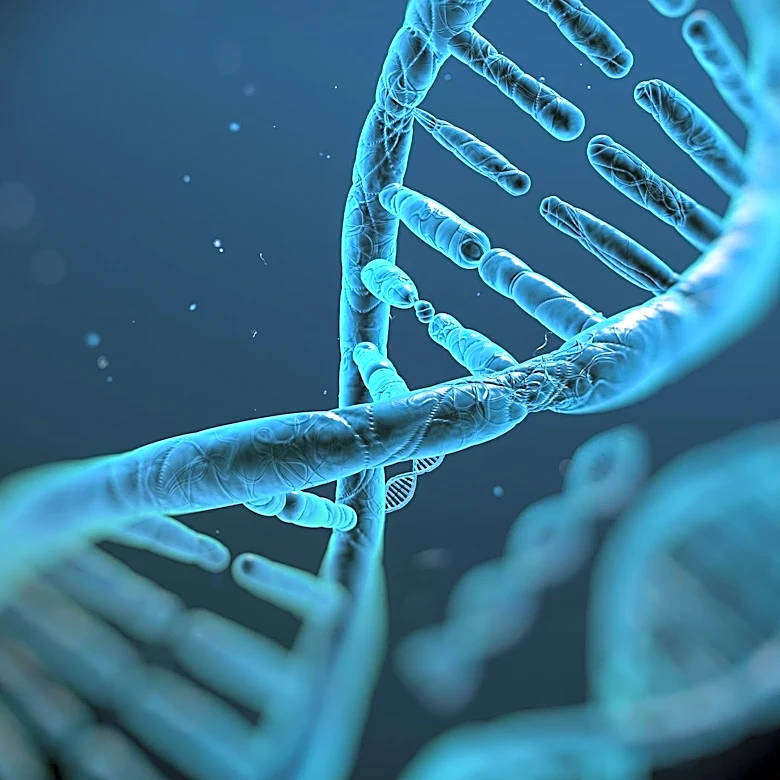
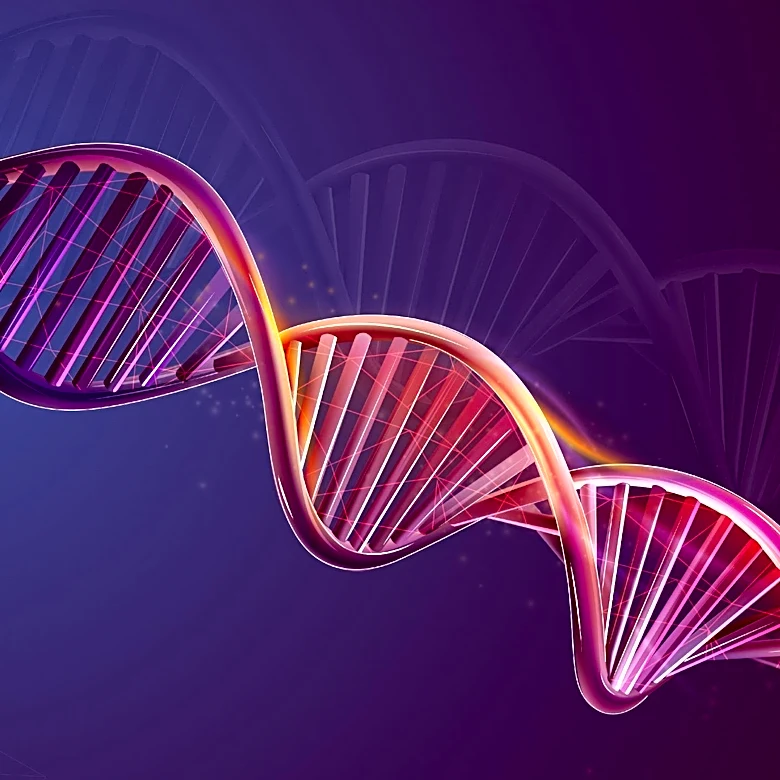
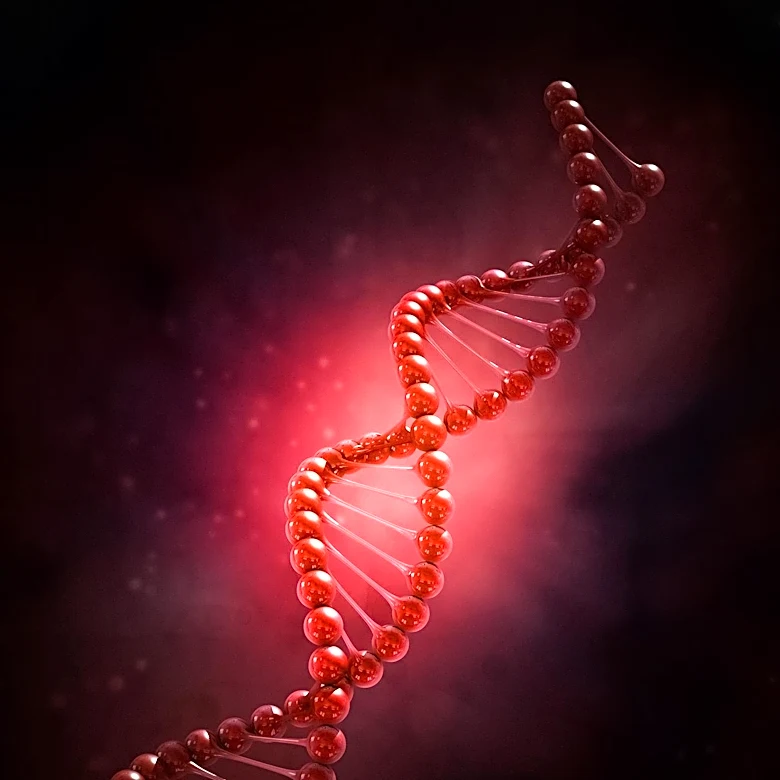
Researchers have identified non-canonical DNA structures, known as non-B DNA, in the human genome, which deviate from the traditional double helix form. These structures, occupying about 13% of the genome, can influence DNA replication, chromosome protection, and gene regulation. While some non-B DNA forms may drive genome evolution, others could contribute to diseases like cancer and neurodegenerative disorders. The study, published in Nucleic Acids Research, aims to enhance understanding of these structures and their potential impact on health.