Wildfire smoke erases decades of air quality gains
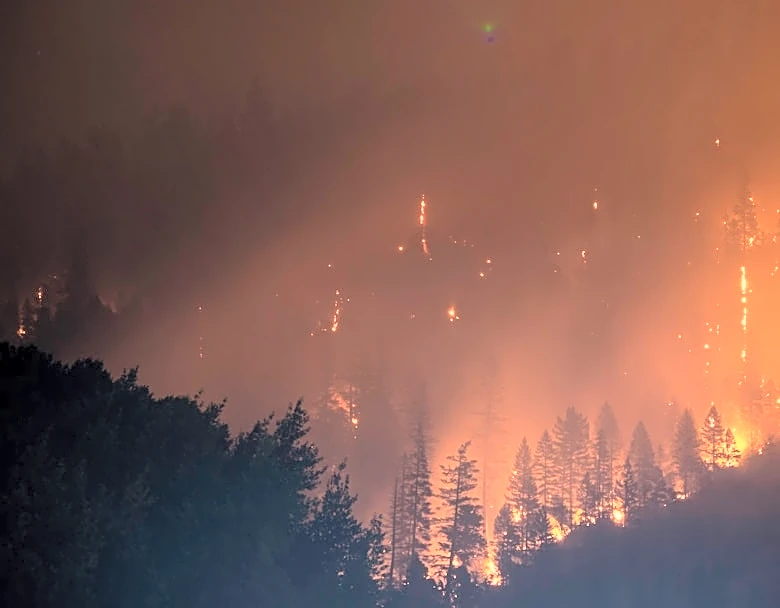
Wildfire smoke is increasingly reversing air quality improvements achieved over decades, according to recent studies. Between 2016 and 2022, wildfires in nearly three-quarters of the U.S. erased 25% of PM 2.5 air quality gains made since 2000. PM 2.5, a fine particulate pollutant, is linked to severe health risks, including respiratory and cardiovascular diseases. The issue is exacerbated by climate change, which fuels extreme heat and drought, creating more flammable conditions. Wildfire smoke is now responsible for an estimated 40,000 premature deaths annually in the U.S., a figure projected to rise to 70,000 by 2050. The problem extends beyond human health, as birds and wildlife are also significantly affected by smoke exposure, altering their behavior, health, and survival. Efforts to mitigate the impact include prescribed burns, which can reduce wildfire intensity and long-term pollution, though challenges such as funding, public acceptance, and regulatory hurdles remain.