James Webb Space Telescope Unveils Universe's Earliest Galaxies, Offering New Insights
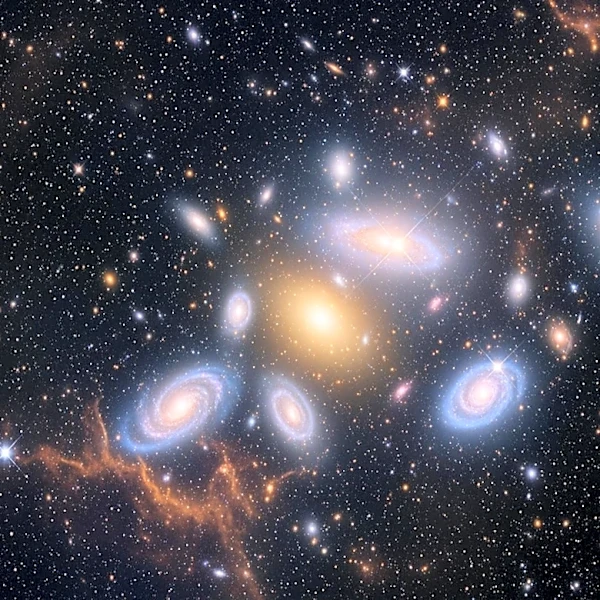
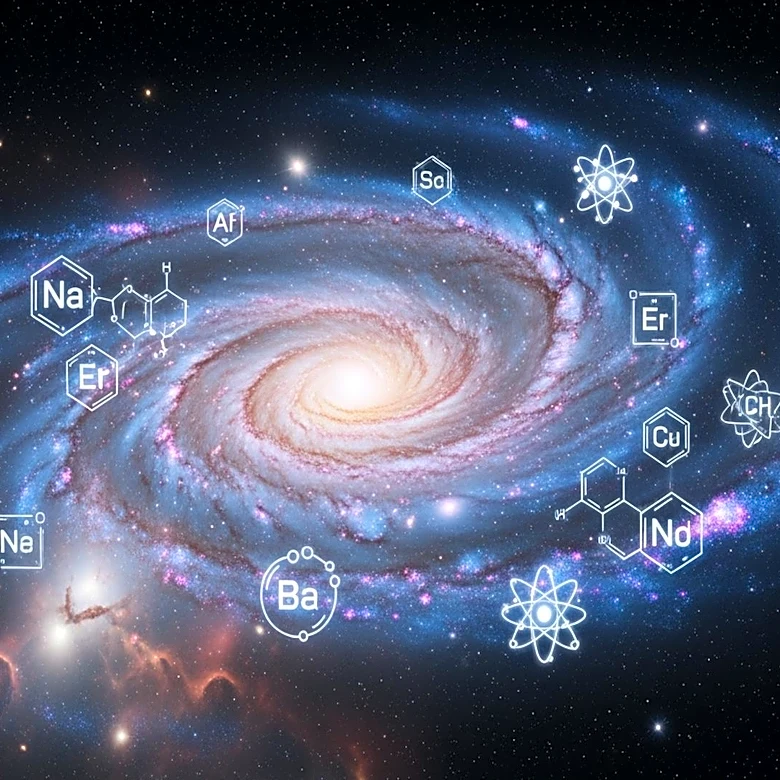
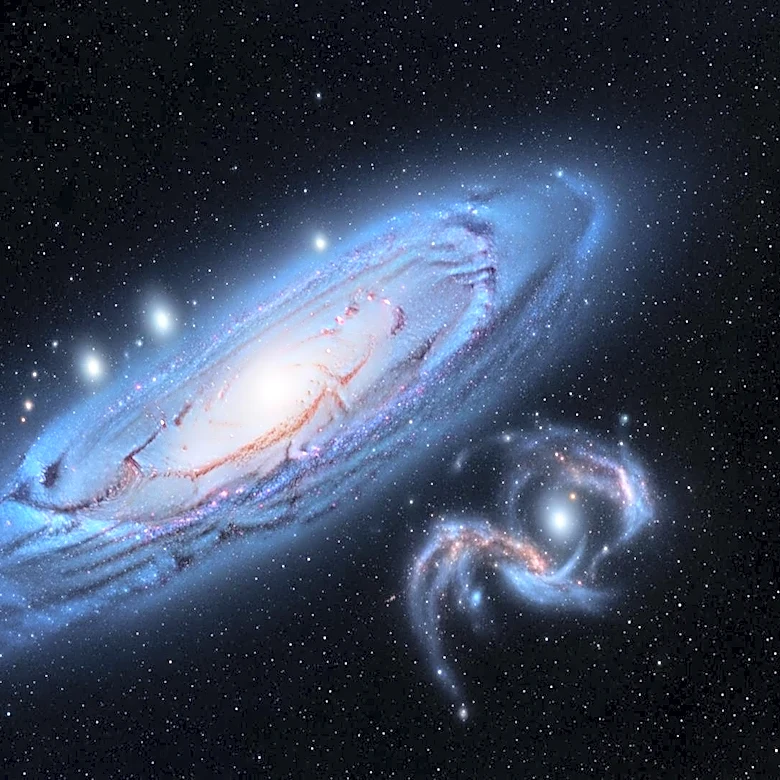
The James Webb Space Telescope has made a groundbreaking observation of one of the universe's earliest galaxies, known as LAP1-B, which dates back approximately 13 billion years. This discovery, published in Nature, provides a rare glimpse into the universe's first stars and chemically primitive galaxies. The galaxy was detected using gravitational lensing, a phenomenon where a massive cluster of galaxies amplifies the light from distant objects, allowing astronomers to study it in unprecedented detail. The research team used advanced spectroscopic techniques to analyze the light from the galaxy's gas clouds, revealing extremely low levels of heavy elements and a high carbon-to-oxygen ratio, indicative of the universe's first generation of stars, known as Population III stars.