Researchers Develop Biodegradable Zinc Battery Electrolyte from Crab and Shrimp Shells
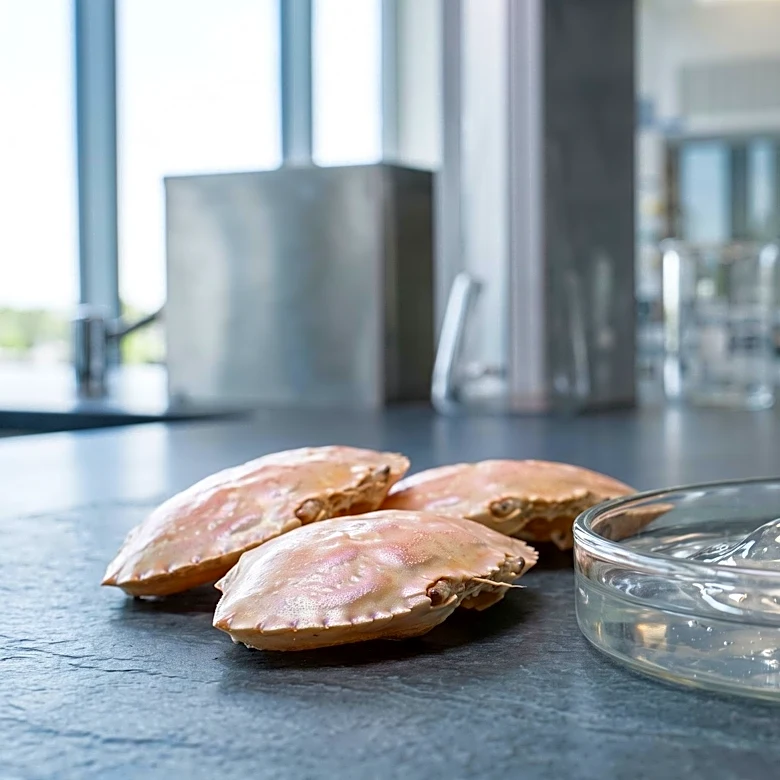
Researchers have successfully developed a gel electrolyte for zinc batteries using chitosan, a material derived from the shells of crabs, shrimp, and lobsters. This innovative approach utilizes seafood waste, which is an abundant byproduct of the seafood industry. The chitosan gel serves as the working fluid within a zinc battery, facilitating charge movement between electrodes. This development addresses a long-standing issue with zinc-metal batteries, where uneven, spiky deposits called dendrites form during charging and discharging, leading to short circuits. The team's gel, which incorporates zinc ions, guides the zinc to deposit more uniformly, ensuring the anode's stability over time. The zinc anode in their test cell demonstrated impressive performance, running for over 1,000 cycles with a 99.7 percent Coulombic efficiency, indicating minimal charge loss during each cycle. This research, published in the journal Matter in September 2022, presents a promising step towards more sustainable and environ...