Mycenaean Palace Preceded Parthenon on Athens Acropolis, New Research Reveals
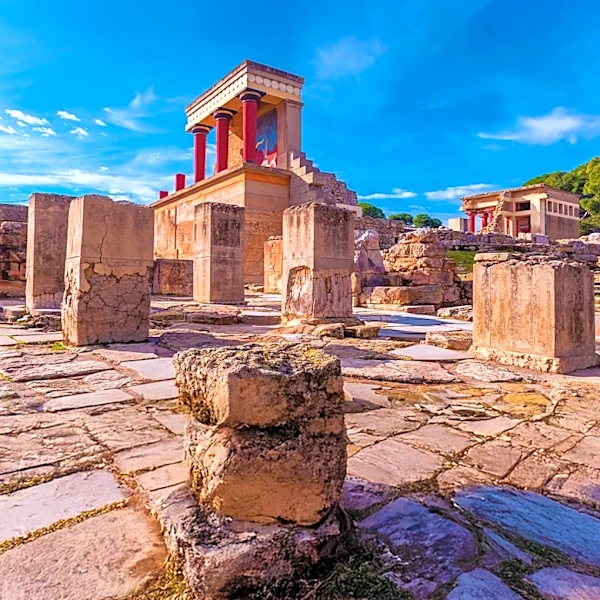
Before the iconic Parthenon, a Mycenaean palace stood on the Acropolis hill in Athens during the late Bronze Age. The Mycenaean civilization, which flourished from 1700-1100 BCE, constructed a significant palace on the Acropolis, as evidenced by remains of massive walls and artifacts found during excavations. While little of the palace itself has survived beyond a limestone column base and sandstone steps, a substantial defensive wall, measuring 760 meters long, up to 10 meters high, and 3.5 to 6 meters thick, protected the city of Athens until the 5th century CE. The Acropolis, meaning the highest point of the city, is a 150-meter tall hill with a 7.4-acre flat top. Archaeological findings suggest continuous habitation on the Acropolis and in Athens since the 3rd millennium BCE, with some estimates pushing habitation back to the 6th millennium BCE. The Mycenaean presence on the Acropolis highlights its long history as a strategic and inhabited site long before the classical Greek structures.