Stonehenge's Altar Stone Likely Transported by Humans, Not Glaciers
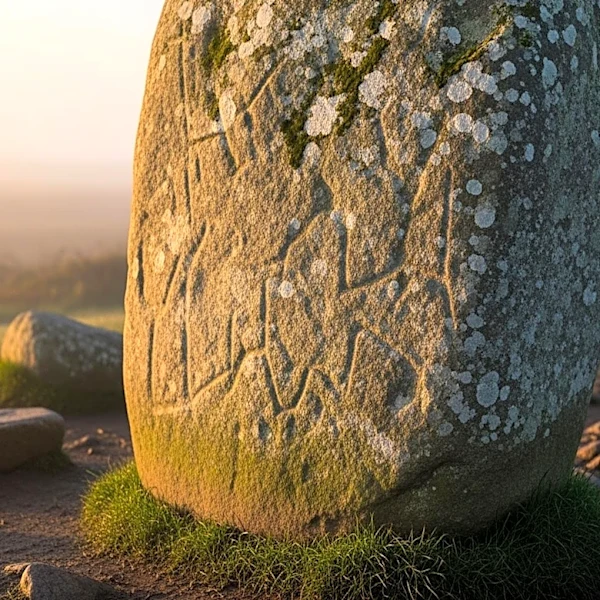
Researchers have been investigating the origins of Stonehenge's altar stone, a 6-tonne sandstone monolith, to determine how it was transported to its current location in southern England. The stone, which has been part of Stonehenge for approximately 4500 years, was found to have originated from north-east Scotland based on its chemical composition. Initially, it was hypothesized that the stone could have been moved by glaciers during the last glacial period, potentially reducing the distance humans would have needed to transport it. However, geological analysis and ice flow modeling suggest that while some ice flows from north-east Scotland did move south, the scenario of a glacier transporting the stone to a location closer to Stonehenge is unlikely. The study concludes that humans likely transported the stone over a distance of 750 kilometers, similar to how other large stones at Stonehenge were moved.