Collapse of Tokyo's Aging Cherry Blossom Trees Raises Safety Concerns During Viewing Season
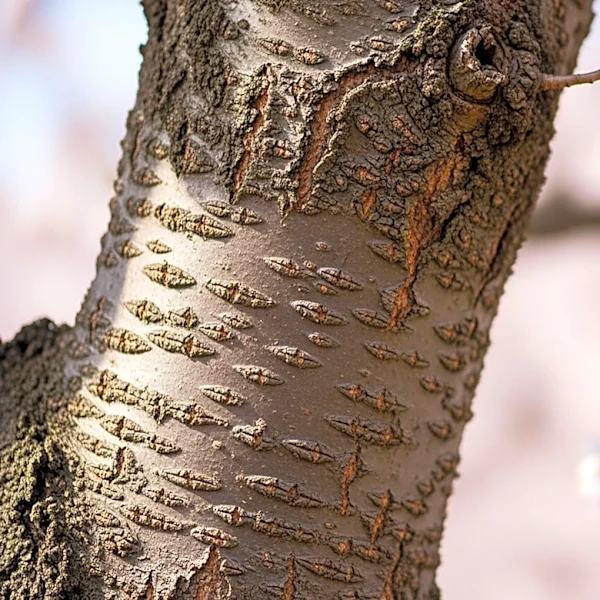
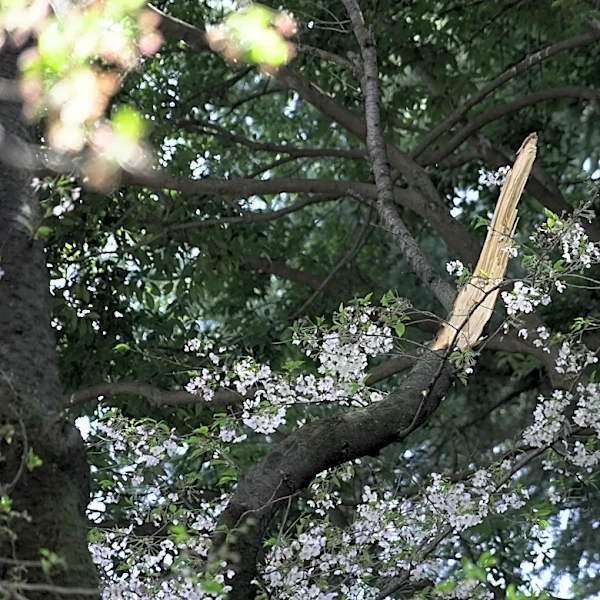
In Tokyo, the iconic Somei Yoshino cherry blossom trees, many of which were planted during Japan's postwar period in the 1960s, are showing signs of aging and frailty. Recently, two cherry blossom trees collapsed, one in Kinuta Park and another at the Chidorigafuchi greenway, raising safety concerns. The tree in Kinuta Park, which was over 60 years old, damaged a fence, while the other nearly fell into the Imperial Palace moat. Last year, 85 trees fell in Tokyo parks, injuring three people, with many being cherry trees. The aging trees are affected by internal fungus growth and environmental factors like extreme heat and dry seasons. Tokyo officials have conducted health checks on cherry trees in major parks, but current measures are temporary, focusing on inspections and warning signs rather than replanting.