Scripps Research Identifies Key Protein in Alzheimer's Brain Inflammation
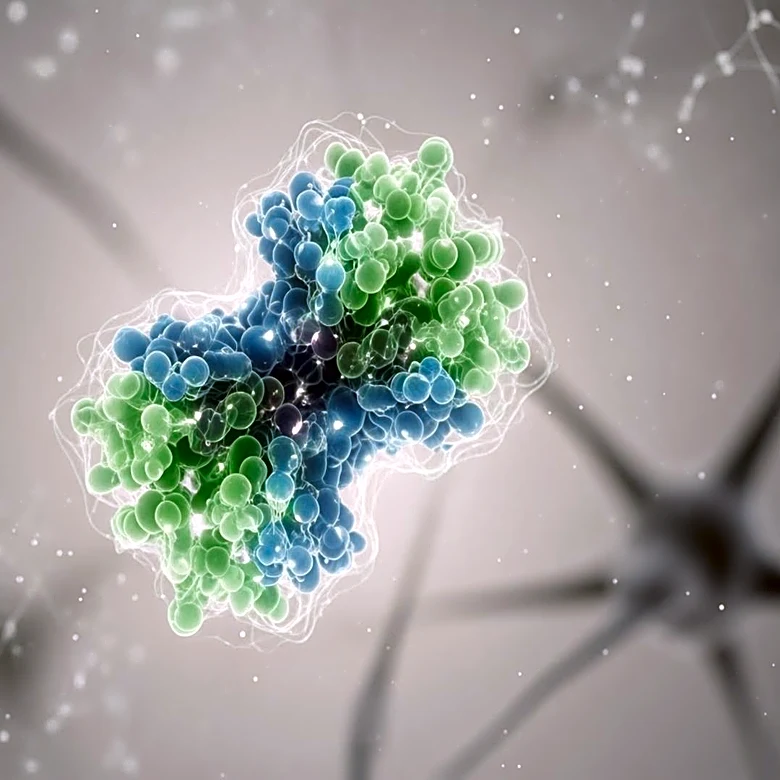
Researchers at Scripps Research have discovered a molecular mechanism that may play a crucial role in Alzheimer's disease. The study, published in Cell Chemical Biology, focuses on a protein called STING, which is part of the body's immune response. In Alzheimer's, STING undergoes a chemical modification known as S-nitrosylation, making it excessively active and fueling harmful inflammation. This discovery was made using human Alzheimer's brain cells and other experimental models. The researchers found that blocking this chemical modification in a mouse model reduced neuroinflammation. This finding points to a promising new target for Alzheimer's treatments, as it could potentially protect brain cell connections that are typically lost in the disease.