Microbes in Fish Intestines May Play Key Role in Ocean Health and Carbon Cycle
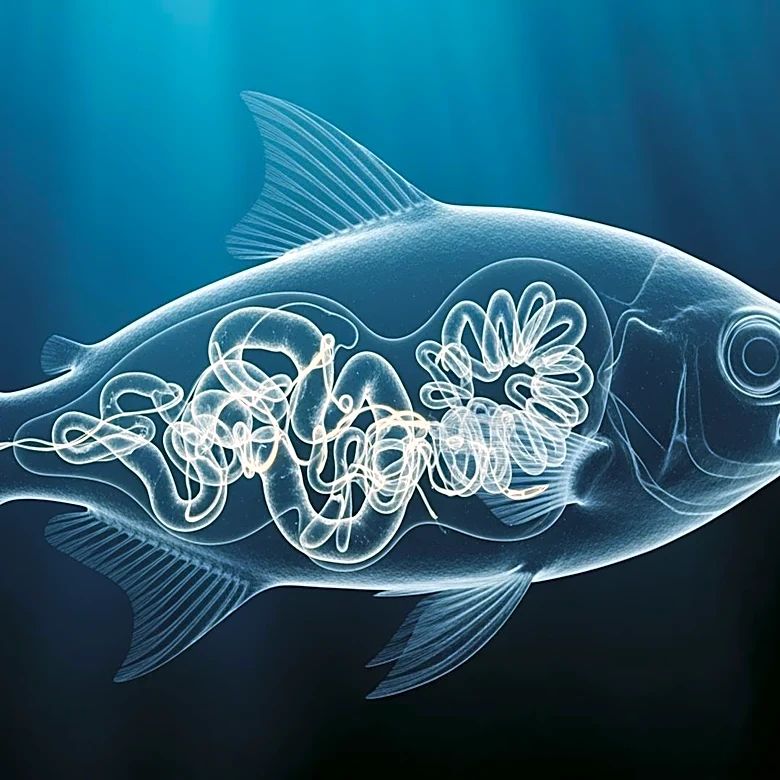
Recent research led by Anthony Bonacolta, a former University of Miami graduate student, has uncovered that tiny microbes residing in fish intestines may significantly influence ocean chemistry and the marine carbon cycle. The study suggests that these microbes, in conjunction with marine fish, produce calcium carbonate, a mineral crucial for ocean health. Previously, it was believed that fish alone controlled this mineral production. However, the new findings indicate a symbiotic relationship between fish and their gut microbes, which could impact how oceans store carbon. The research involved laboratory experiments with Gulf toadfish in varying salinity conditions, revealing that fish in saltier environments produced more calcium carbonate. DNA and RNA analyses identified specific bacteria, such as Photobacterium damselae, as contributors to this process.